Cellucor Testosterone Reviews

Cellucor Testosterone Reviews

How Does Cellucor P6 Work?

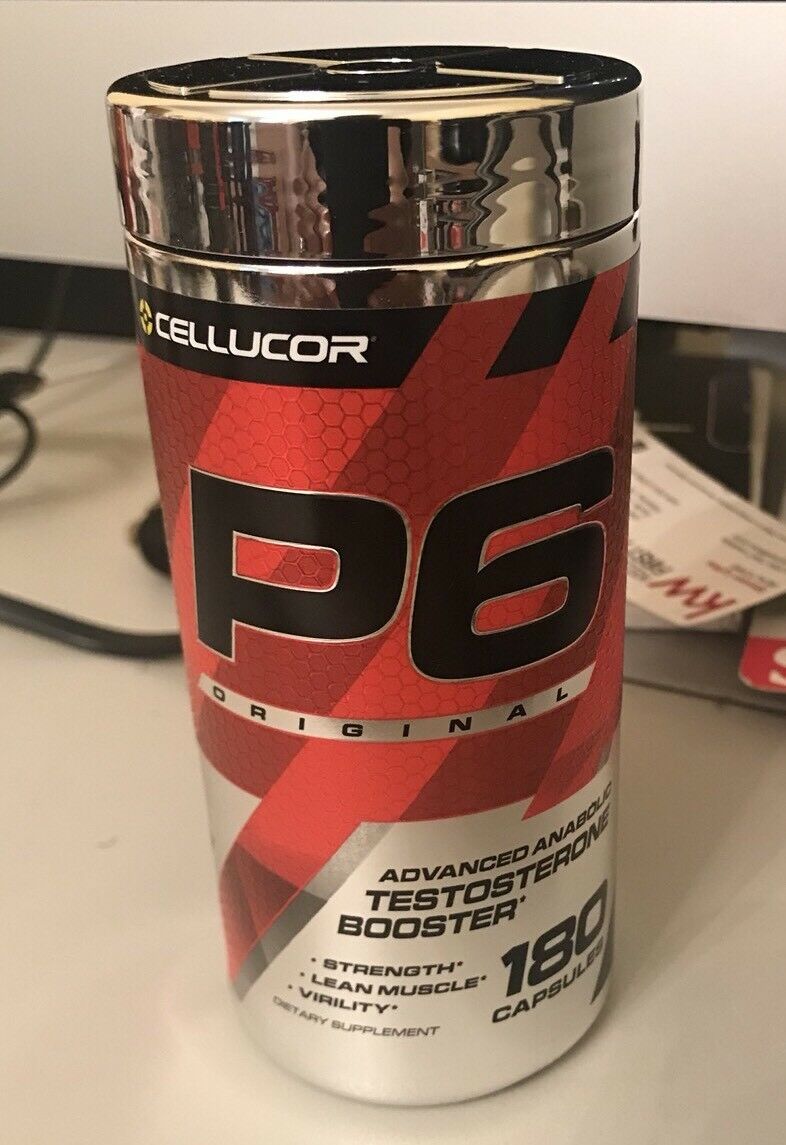
Cellucor P6 contains 3 core ingredients: KSM-66 Ashwagandha, ovine placenta powder and LJ100 long jack extract that have been supported by clinical studies to boost natural testosterone levels, increase strength, and enhance muscle growth.

The manufacturer states that it a 3 in 1 testosterone booster that will increase your strength, enhance lean mass growth, and support male virility.

Other expected benefits include:

  • Strike a healthy balance of estrogen and testosterone levels.
  • Boost energy levels.
  • Inhibit DHT formation.
  • Modulate estrogen.
  • Improve performance and endurance.

How To Use Cellucor P6?

The company recommends that 4 capsules should be taken in the morning and evening, with or without food.

You should not exceed 4 capsules in a day.

Are There Any Cellucor P6 Side Effects?

Cellucor P6 side effects

The manufacturer uses proprietary blends. Thus, we cannot tell the amount of each ingredient.

Despite being natural, some of these ingredients may cause allergic reactions to the user.

Here are some side effects reported by users.

  • High blood pressure
  • Stomach pains
  • Headaches
  • Insomnia
  • Mood swings
  • Swelling of the prostate

All the same, this supplement seems to be well tolerated by most users.

Individuals react differently to supplements, and we recommend consulting your physician before using Cellucor P6.

In case you notice any reactions from the product, discontinue use immediately.

Is Cellucor P6 A Scam?

Cellucor P6 is definitely not a scam.

Cellucor P6 Reviews: What People Say About This Product?

Cellucor P6 has received 262 customer reviews on Amazon, with 55 percent giving it 5 stars and an overall rating of 3.8 stars out 5 stars.

Here are some customer reviews.

Let's start with the positive ones.

Wheelecr writes on bodybuilding.com:

I can not afford blood testing for this bottle, but this is what I noticed. Increased frequency of Alpha Moments while training where I hit extra reps and/or higher weight when it was not planned. Quicker recovery between sets. My favorite part was the improvement of my sleep. I slept deeper and longer, so even if it was a short night, I was more refreshed. I found myself with greater energy throughout the day and found myself in a better mood when stress hit. While it been a low key January so far, I can say I've noticed a week post the log my sleep is not as good as it was during my log. That on its own makes its worth the investment but stack that with a cut and its value increases even more.

Michael A. Vacca says on Amazon:

I've purchased this product many times now, and every time I wait till I'm on a solid gym kick for more than a month before spending on it. I can't really recommend for guys under 30; your test levels should be high enough, as, for the rest of us, this will help in aggression, good and bad. You have to be prepared to handle some wicked mood swings, but if you can focus it in the gym, then its a killer product. It's helped me lean out, build some extra muscle, and most morning I'm pitching a tent before I wake up.

Tony reports on Amazon:

P6. Has made a huge difference in energy, and my ability to lift harder and longer. It only took a couple of days for me to notice the difference, not only was I lifting more weight but at the end of my workout, I still had energy and had to pace, so I didn't lift to much.

What about the negative reviews?

Timothy was disappointed. He writes on Amazon

To be quite honest, I don't usually go spending large amounts of money on supplements; I frequently find it to be a waste of money as time has shown that proper diet and training is a surefire way to make gains. With P6, following the usage instructions to a "T," I've found no discernible differences in my lifts or physique. If I had the money, I'd go get my "T" levels check to see whether I can validate or disprove its effectiveness. Seriously, save your money and stick with the time proved elements. Diet and train like an animal.

Dylon did not see any change. He says on Amazon:

I've taken testosterone booster before, and this is by far the worst. Nothing, not a single ounce of change. Pseudoscience filler. Reading the back of the label should have been enough not to touch it. Get some testosterone boosting supplements that are documented to work and not these sugar pills. Bought these blind because C4 is a pretty soild product this is not.

Cellucor P6: Packages, Pricing and Where to Buy

cellucor p6 official website

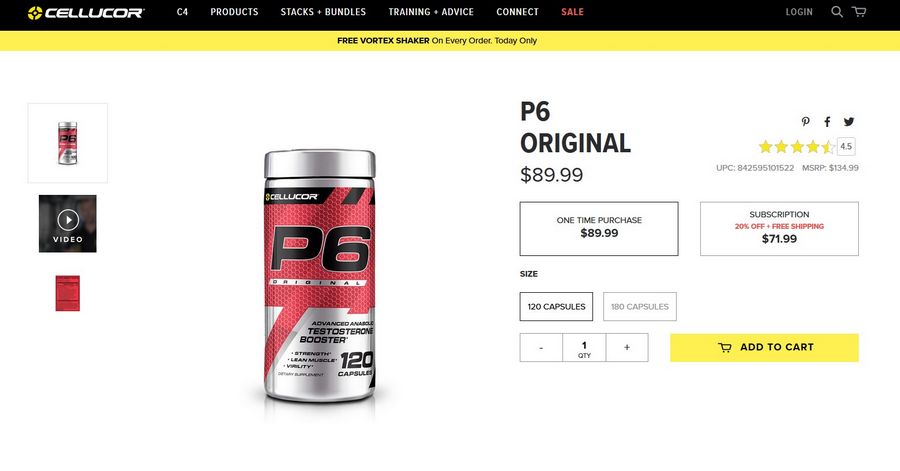
Cellucor P6 is available on the official website: cellucor.com.

Each bottle contains either 120 capsules and 180 capsules.

How much does it cost?

One-Time Purchase

  • 1 bottle of Cellucor P6 (30-day supply): $89.99 + shipping and handling fee
  • 1 bottle of Cellucor P6 (45-day supply):  $124.99 + shipping and handling fee

Subscription

  • 1 bottle of Cellucor P6 (30-day supply): $71.99 FREE shipping and handling
  • 1 bottle of Cellucor P6 (45-day supply): $99.99 FREE shipping and handling

Money Back Guarantee and Refund Policy

The manufacturer provides a 30-day money back guarantee.

Cellucor P6 Pros and Cons

Cellucor Testosterone Reviews

Source: https://www.mypillapp.com/cellucor-p6-review/

Share:

Going Off Low Carb Diet For A Day

Going Off Low Carb Diet For A Day

A guide to low-carb & keto diet cheating

  1. Reasons to cheat
  2. Side effects
  3. Cheating without cheating
  4. Cheating smart
  5. Getting back on track

To cheat or not to cheat? That is the eternal question.

Almost everyone is occasionally tempted – are you? This five-part guide will help you think through low-carb cheating… and if you do decide to cheat, it will help you do it smarter.

In truth, we dislike the term "cheating." We use it since many people relate to it, but what does it really mean? Does it mean you are "getting away with something?" Does it mean you are gaining something unfairly? What it really means is that you are just cheating on yourself.

That's why we prefer the term "going off plan." That shows we have a plan, we are moving towards a goal, and sometimes we go off plan. And sometimes that's OK, as you will read in this guide. However, since "cheat" is a commonly used term that many people relate to, we do use it frequently in this guide.

1. Bad and less bad reasons to cheat

Why cheat? Some reasons are better than others.

Bad reasons
Fries

Politeness or wanting to fit in

Aunt Martha will get over it when you skip her gooey dessert. Your dining companion's surprise when you swap out potatoes for extra veggies is typically fleeting. Don't overplay others' interest or investment in your personal dietary choices.

Remember, people are usually wrapped up in their own experience and quickly move on from yours.

However, some people do get overly curious about your food choices. When that happens, be ready with a line like, "I'm sorry, I have a sensitive stomach."

Impulsivity

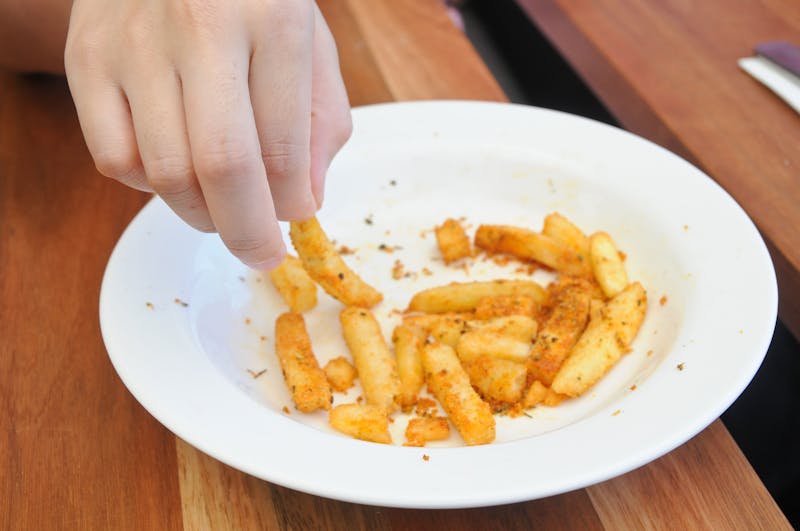
An impulsive reach into that bowl of candy is an unsatisfying cheat. A last minute decision to eat a few of those cold French fries on your kid's plate is rarely that satisfying.

Planned cheating can empower – random cheating undermines. Be true to yourself and stick to your cheating plan.

Bad planning

Grabbing a mediocre two-day-old sandwich from a gas station is a wasted cheat. Anything worth cheating on yourself for is, by definition, delicious. That stale sandwich is not.

Keep quality low-carb emergency food in your car, purse, or briefcase so you never cheat because you are starving.

  • For tips about on-the-go low-carb foods, check out our travel guide.
  • For great snack ideas, check out our low-carb snack guide.
  • For how to eat at restaurants and eateries, check out "How to Eat Low-Carb When Dining Out".

Less bad reasons

Family

To stick with low-carb long term

A low-carb lifestyle lasts forever – if you go back to your old ways, the unwanted illness or pounds will likely creep back into your life.

Although it sounds counter-intuitive, occasional, deliberate cheating can help some people stick with their low-carb lifestyle forever. Here's how:

  • Knowing you can cheat occasionally reduces the feeling of deprivation.
  • Planned exceptions can help keep you from feeling deprived of a favorite indulgence.
  • Deliberate cheating gives your diet a bit more variety and makes you more flexible.

Most of us don't have to be perfect. Cheat consciously and then immediately return to the healthy low-carb lifestyle you love.

Some of us, however, will have a more difficult time getting back on plan after a temporary detour. Which camp are you in? You may have to experiment to find out, but the resulting knowledge is empowering and will help you decide if planned diversions will work or not.

To take advantage of rare opportunities

Your favorite dessert – pumpkin pie – made just once a year by a dear family friend… perhaps this is a time to make an exception to your no-dessert rule.
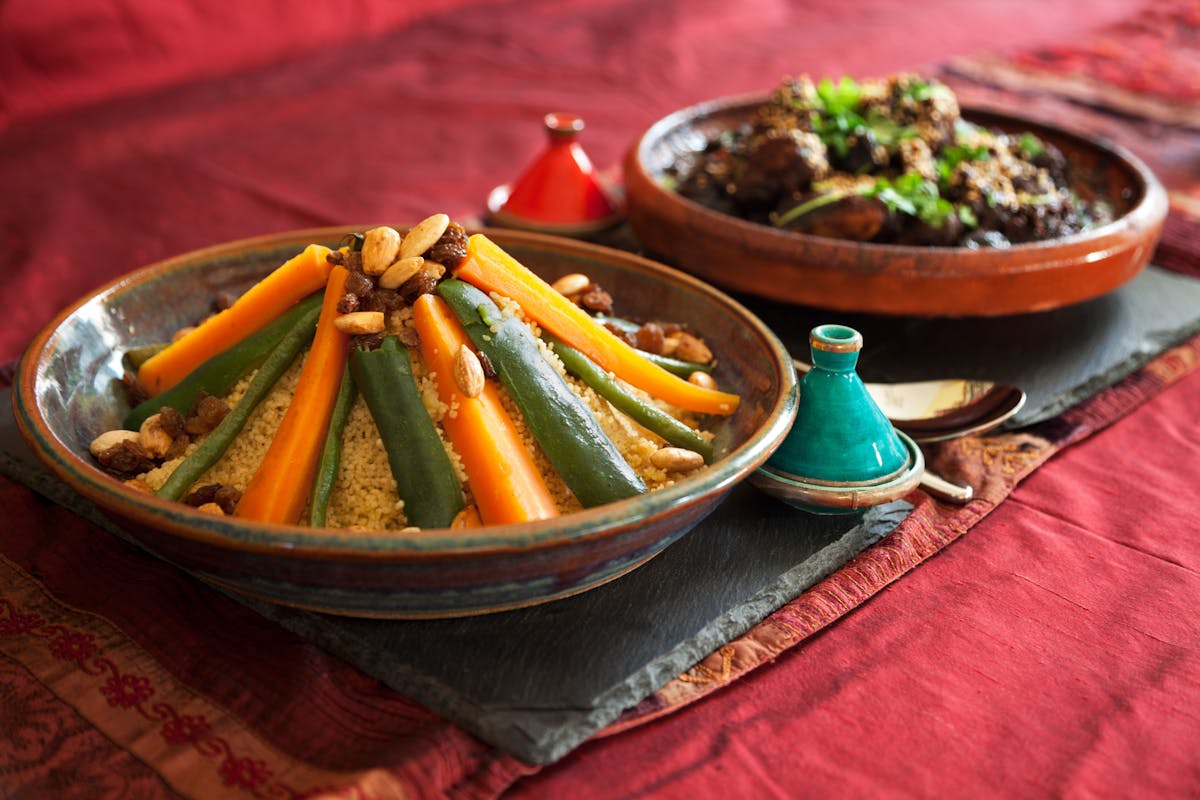
CousCousOr that carefully spiced pyramid of couscous, served with stewed meat on your once-in-a-lifetime trip to Morocco… again, perhaps this is a worthy exception (if you like couscous).

Cutting yourself some slack to savor unique moments or unique flavors is probably a good use of your 'cheating allowance.'

But keep in mind that birthday cake in the break room is not a rare or special occasion.

2. Side effects of cheating

Cheat

So, there are bad and better reasons to cheat. What are the typical side effects of cheating?

Hunger and cravings

Many carbs make you hungry. You know this if you have given them up for any meaningful period of time. Cheating means potentially inviting hunger and cravings back into your life.

Proceed with caution – you could end up in trouble.

Weight gain

Cheating nearly always leads to immediate weight gain. First, too many carbs put your body back in fat-storing mode. Second, carbs can lead to hunger and cravings hence you eat more. Third, the water weight associated with high-carb diets returns.

Want to look and feel your best? Cheat rarely and carefully.

Blood sugar spikes

If you are keeping diabetes at bay with your low-carb or keto diet, cheating is generally a bad idea. When you eat too many or the wrong type of carbs, your blood sugar can increase to unwanted high levels. Over the long run, you can increase the risk of long-term complications like blindness, dementia, amputations, etc.

On the other hand, every time you manage to avoid a cheat, you're one step closer to reversing your type 2 diabetes.1

For those with diabetes or prediabetes, the price of cheating may be too high.

Sickness and acne

For some of us, cheating can lead to dramatic and fairly immediate setbacks – bloating, stomach upset, or gas. Some people get acne and other types of skin trouble, too.

If this happens to you, is cheating really worth it?

Feeling bad

One of the most annoying effects of cheating is that you often don't feel great after having cheated. In addition to weight gain, blood sugar spikes and so forth, your mood can suffer – enthusiasm, focus, and confidence fall.

This is tough – and with hindsight, makes the decision to cheat seem questionable.

Addiction

For those of you who are sugar (or carb) addicts, it's potentially really dangerous to cheat. Sugar addiction is likely real.2 Eventhough debate exists, many scientists agree that sugar is psychoactive – it triggers the reward centers in your brain (similar to other addictive drugs). As a result, relapse can be immediate.

Cheating on yourself

Finally, let's be clear about what cheating means. Simply put, 'to cheat' means:

  • to take something from someone by breaking a rule; or
  • to prevent someone from having something that he or she deserves or was expecting to get.

Remember this: when you stray from your low-carb lifestyle, the someone who loses out is you. You are not cheating on 'a diet' – you are cheating on yourself.

3. Cheating without cheating

Is it possible to cheat without guilt or bad side effects? Certainly. These tips will teach you how to cheat without cheating.

Make low-carb substitutes

Low-Carb Pizza

The Keto Bread

Cinnamon and Cardamom Fat Bombs

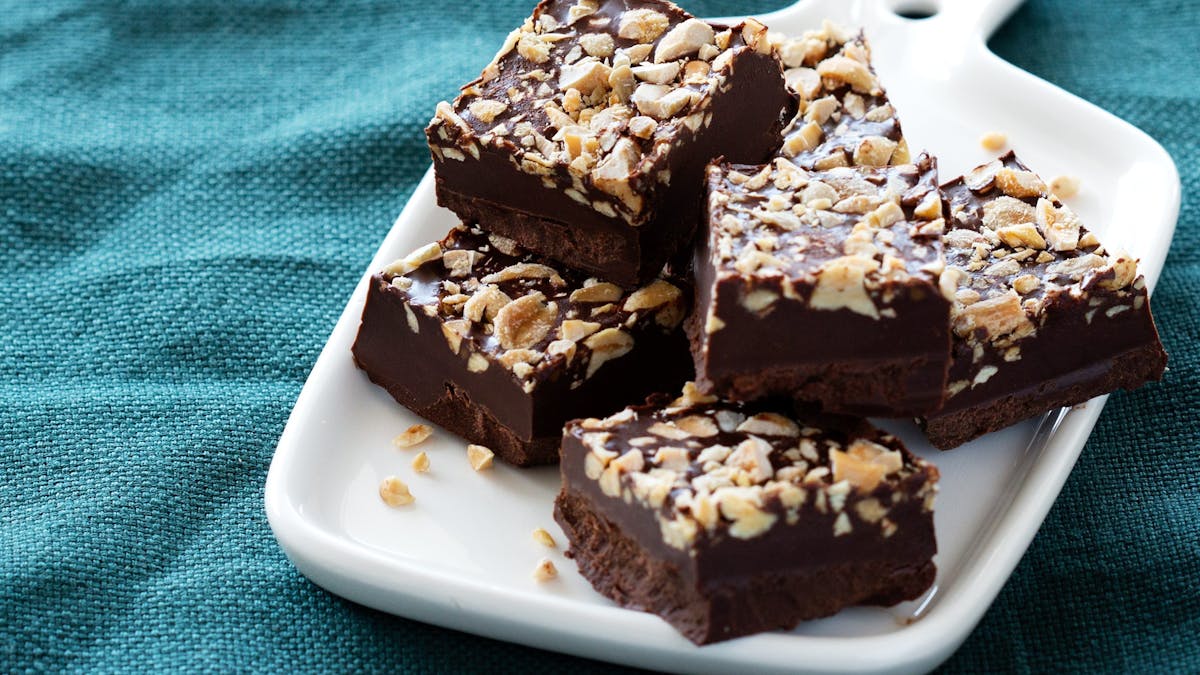
Low-Carb Chocolate and Peanut Squares

Dying for some pizza? Before digging into an unhealthy and probably mediocre pizza that will make you bloated, how about eating the delicious and healthy keto pizza?

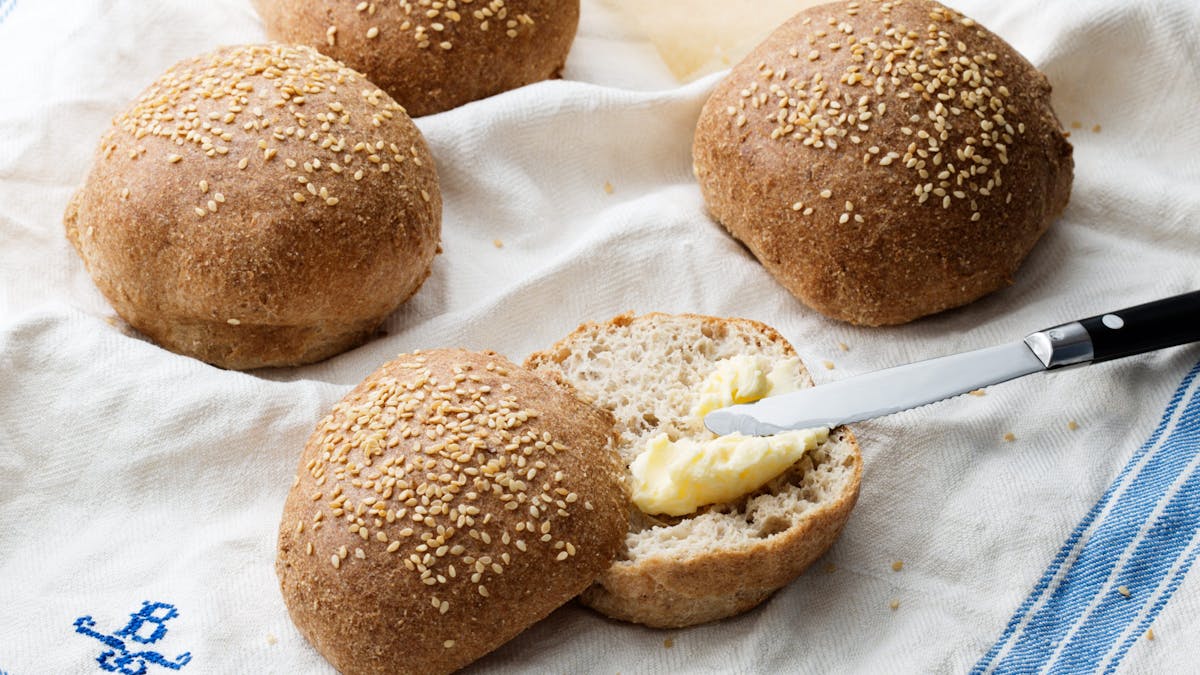
Jonesing for some bread? Skip the blood sugar spike from a traditional loaf and instead eat this totally awesome keto bread instead!

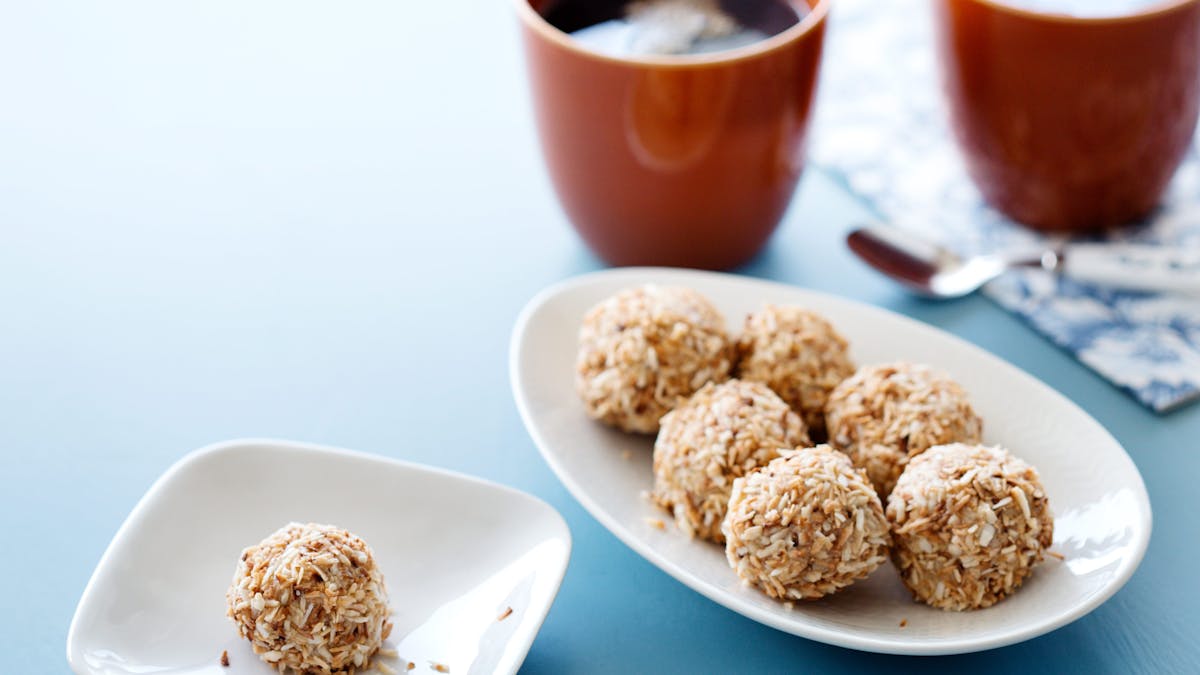
Crave dessert? Before going for unhealthy options, try fat bombs, frozen treats, and brownies! You'll love them. But just because they are low carb doesn't mean they are low calorie! If you are trying to lose weight, even low carb desserts are still a treat for occasional, rather than regular, consumption.

There are more fantastic low-carb recipes for many of the comfort foods you crave. Cheat by eating these substitutes and you'll enjoy fantastic flavors without the guilt. That's cheating without cheating.

Cheat your mind with this delay tactic

Delay

Tempted to eat that chocolate croissant on the breakfast buffet? Tell yourself, "I can have it, I'm just going to eat something else first." Then, load up on scrambled eggs and crispy bacon and other low-carb favorites. Eat as much as you want. What happens? Your croissant craving is so diminished you don't even want it anymore. Well done!

Tempted to eat dessert at the dinner party you're attending? Tell yourself, "I'll wait and have chocolate when I get back home instead." Later, at home, time has passed and your food environment has changed – you're no longer watching friends inhale a tempting dessert. This reduces your urge for something sweet and makes it easier to skip the chocolate – and dessert – entirely!

These are examples of the mind games many of us play to avoid cheating. They work. Use them to help yourself stay on-plan.

If you really want to stay away from cheating – if you have a sugar addiction for example – use this classic tool. Tell yourself that yes, you can have what you want – tomorrow. Absolutely not today, but tomorrow you can have it.

Of course, tomorrow you'll use the same tool.

Cheat your cravings with low-carb snacks
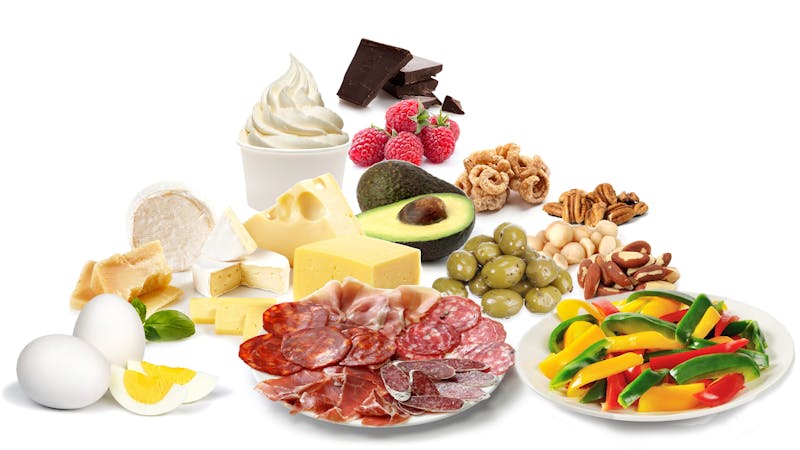
Low-Carb Snacks Guide

Feeling hungry and crave carbs? Having low-carb or high-protein snacks at hand is a great way to kill those feelings before they overpower you.

Bring low-carb snacks such as walnuts, macadamia nuts, no-sugar jerky, or cold cuts with you at all times. When a craving strikes, act quickly and eat low-carb food before you cave into high-carb temptations.

For more great snack ideas, check out our low-carb snack guide.

If intermittent fasting, cheat with fat

Coffee

If you are fasting intermittently it can sometimes be a little hard to get through the day without eating. If you find yourself tempted to break your fast before you planned to, do it with pure fat – coconut oil or butter in coffee or tea are great choices.

Doing this will take the edge off your hunger without knocking you out of the fat burning state intermittent fasting delivers.

4. Cheating smart

While we don't encourage cheating, we do want you to cheat in the smartest way possible if you do. Cheat smart with these nine tips:

Cheat deliberately

Be in charge and cheat consciously. You are cheating on yourself, so cheat in the best way possible. Do you do better with a strict daily regimen with an occasional day off? Or, will you feel less deprived with a small, daily off-plan indulgence? Can you maintain weight while cheating twice a week? Know thyself.

Writing down your intentions can help. Try this:

  • Keep track of your cheating – write down when you cheat and what happened. A log will help you gauge how much you are cheating and understand the side effects.
  • Set clear rules about the frequency and type of cheating you will and won't allow. Write them down and post them in the kitchen.

Cheat with foods that are not high in carbs

This one is obvious, but so many people miss it. Cheat with the least bad choice possible. If you must eat regular pizza, thin crust is better than thick.

If you have decided to splurge on dessert, is there a cup of chocolate mousse or piece of cheesecake that will be lower-carb than that slice of frosted layer cake? All three are sweet, but the mousse and cheesecake contain more fat and fewer carbs than frosted layer cake. Be careful, however, as the calories can quickly add up. Be sure to limit your portion size!

Just because you are cheating doesn't mean you have to throw all caution to the wind. Minimize the damage.

Cheat with small portions

Small Cheat

When eating carbs, the less carbs you eat, the better. If you decide it is worth it to eat something off-limits, how about a taste – just one bite?

For example, if you crave a sweet finish to your meal, a bite of someone else's dessert is a better choice than ordering your own. And ordering one dessert to share with your companion is better than ordering one for each of you.

Don't be afraid to leave sugary or starchy cheat foods on your plate after just one or two bites. Go ahead – waste the rest without regret. Finishing a carb cheat when you don't really want it is not smart.

Cheat after a meal

After MealYes, your grandmother was right when she insisted you eat that chocolate chip cookie after you finished your lunch. The timing of your food really does matter.

Starting with healthy low-carb or keto dishes reduces your appetite for the bad stuff so you will cheat less. Additionally, eating protein and fat first slows down the absorption of glucose into your blood and reduces the intensity of your blood sugar spike.

Cheat late in the day

Stick with your low-carb lifestyle during the day and only consider eating carbs after dinner. This helps in two ways – it limits the window for cheating and keeps your body in low-carb mode for the majority of the day. If you are taking advantage of mild ketosis, cheating late maximizes the time you spend burning ketones.

Cheat with less sugar

Once adapted to low-carb eating, your tastes change – especially your sensitivity to sugar. Sweet treats that used to taste just right will now taste too sweet. Take advantage of this natural improvement in your palate's sensitivity. Go darker on the chocolate; put less sugar in your yogurt.

Whatever it is, when it comes to sugar, less is more.

Cheat with added fat

Butter

Dilute the carbs! Add butter to bread, cream to peaches, and cheese to crackers.

If you pair your carb cheat with delicious fats you'll eat less of the carb yet feel more satisfied. Plus, you'll slow down the absorption of glucose into your blood and reduce the resulting blood sugar spike, which means less insulin and less hunger.

But keep in mind, this only works if you actually reduce the carbs. If instead, you simply add fat to the same amount of carbs, then you aren't doing yourself any favors. In fact, you'll increase the calories and create a high-carb/high-fat environment that can be problematic. So use fat to reduce your carbs!

Cheat with food that matters to you

Make your carbs count. Don't settle for that ordinary, supermarket-made lemon square your neighbor brought to the potluck. Instead, wait for your favorite – a sliver of lemon meringue pie – from the corner bakery.

Choose what you love and save your cheating for exactly that.

Cheat before or after activity

Activity

Cheating before or right after vigorous activity is the least bad time to cheat. If you eat carbs before a workout, your activity will burn off some of them so they don't make it to your fat stores.

If you cheat immediately after a workout, your glycogen stores are depleted so some of the carbs you eat will replenish glycogen rather than convert to fat.

Don't over-estimate the effect of exercise though… it's not as important as most people think. While activity can reduce the damage of occasional cheating, you simply can't outrun a bad diet.

5. Finally: Getting back on track – fast

nocake

When it comes to cheating an old saying applies – Get right back on the horse! When you have cheated, even if you broke your own rules, don't beat yourself up. Remember that it sometimes happens to everyone – yes, everyone. So just get right back on the low-carb track.

Here's how:

Anticipate extra hunger and cravings

Prepare yourself for the extra hunger and extra cravings that typically come after cheating. Double down, recommit, and don't look back. You can do this!

Learn from your cheat

Analyze the situation that led to cheating. Understanding your craving triggers and eating behaviors can help you avoid future setbacks. It is a process – keep learning and improving.

Forgive yourself

Beating yourself up for having cheated is not helpful. Be kind to yourself. Low carb, like life, is a journey – detours do happen. Don't sweat the small stuff. Keep your eye on your long-term goal and return to low carb with confidence.

This not only helps you feel better – it also helps you succeed. Feeling bad just diminishes willpower and makes it easier to fall for more temptations, in a vicious cycle. Instead aim to forgive yourself instantly. It's done, it's over, it was a small thing in the grand scheme of things.

Feel good, knowing that you're back on track now – that's all you can do, and it's all that matters.

A final word

Remember – cheating is a tool. Like any tool, it can help or it can harm. Maybe cheating isn't right for you. Maybe it is. But if you do decide to cheat, do it smart. Develop great habits with deliberate exceptions.

And if you do decide it's time for an exception, then enjoy every bite!

About

This Diet Doctor guide was written by Jenni Calihan, who also blogs at EatTheButter.org. Editing by Andreas Eenfeldt, MD.

Know other people who could benefit from reading this? Consider sharing, by pressing the Facebook icon at the top of your screen.

Visual low-carb guides

More low-carb guides
 

Going Off Low Carb Diet For A Day

Source: https://www.dietdoctor.com/low-carb/cheat

Share:

How Much Weight Do You Lose On Low Carb Diet

How Much Weight Do You Lose On Low Carb Diet

10 Diet Pills to Kickstart Your Weight Loss Efforts

Photo Courtesy: Pixabay

If you're struggling to lose weight, a diet pill can give you the boost you need to reach your goals. Some are available over-the-counter (OTC), while others require a prescription from your doctor. Either way, for the best results, combine any weight loss pill with lifestyle changes (like exercising more or eating a healthier diet). Here are a few diet pills that can help you get over your weight loss hump.

Best Overall: Phentermine

Photo Courtesy: WebMD

Phentermine is a prescription diet pill consistently proven to help its users lose weight. Users report that phentermine boosts their energy levels, making it easier for them to increase their daily activity and exercise more. Most users also experience appetite reduction that makes it less arduous to eat less. However, phentermine users also find that the drug is less effective the longer you take it.

Best Value: Nature Craft's Natural Raw Green Coffee Bean Extract

Photo Courtesy: Amazon

Prefer something OTC? Nature Craft's Natural Raw Green Coffee Bean Extract contains caffeine to boost your metabolism, plus chlorogenic acid to slow the absorption of carbohydrates (aka everything delicious). Users find that they're less likely to overindulge when taking this diet pill, and report high energy levels with no jittery feelings or "crash." More than 900 reviewers have weighed in, giving it a solid 4.5 star average rating.

Best Diet Pill for a Low-Fat Diet: Alli Orlistat

Photo Courtesy: Target

Alli Orlistat is a diet pill that blocks 25 percent of the fat from the foods you consume, creating a reduction in the amount of calories you absorb. Orlistat users experience the best results when they combine the diet pill with the suggested, healthy eating plan—seriously, you do not want to over-indulge. Users report that it's essential to adhere to a low-fat diet when taking Alli; otherwise, you risk digestive distress, stool leakage, and flatulence.

Best Diet Pill for Men: Prime Labs Prime Test Testosterone Booster

Photo Courtesy: Amazon

Prime Labs Prime Test testosterone booster is a popular diet pill with men who want to lose a few pounds and increase their testosterone levels. Users find that they have more energy and have better performance in the gym and weight room. Is there's a six-pack under your pudge? Fans also report that this diet pill helps eradicate stubborn belly fat. It has over 25,000 Amazon reviews and a 4.5 rating.

Best Diet Pill for a Ketogenic Diet: Keto BHB

Photo Courtesy: Amazon

If you want to try a ketogenic diet or prefer to eat low-carb foods, Purley Optimal's Keto BHB Supplement is an excellent diet pill to assist with your weight loss efforts and help you reach ketosis (the prized metabolic state where fat, not glucose, is used as fuel) as quickly as possible. Users report that Keto BHB helps combat the low energy levels that can accompany a low-carb diet, and boosts mental clarity to help prevent keto-related brain fog.

Best Diet Pill for Women: Nobi Nutrition Premium Women's Fat Burner

Photo Courtesy: Amazon

Nobi Nutrition Premium Women's Fat Burner is formulated specifically to assist with the often frustrating female weight loss journey. Fans of this diet pill find that it gives them more energy and suppresses the appetite without making them feel jittery. They also report feeling less hungry between meals and having more self control around foods that typically trigger them to overeat.

Best Night Time Diet Pill: Dr. Emil Bedtime Burn

Photo Courtesy: Amazon

Tackle your weight loss goals at night with Dr. Emil Bedtime Burn. This stimulant-free diet pill raises your metabolism while you sleep and contains ingredients to promote a better night's sleep—bonus! Bedtime Burn fans find that it helps reduce their cravings and raises their metabolism. It also aids them with falling asleep quicker and staying asleep so that they have ample energy to conquer their workouts.

Best Diet Pill for Overhauling Your Brain's Hunger System: CONTRAVE

Photo courtesy: Medscape

The brain's bitty hypothalamus, which is responsible for controlling the body's appetite and energy expenditure, can have an outsized effect on a person's weight. CONTRAVE is a prescription diet pill that reduces hunger and cravings by impacting how the brain's hypothalamus functions. While users of CONTRAVE report significant weight loss, this weight loss comes at a price. CONTRAVE can cost anywhere from $100 to $400 if it isn't covered by your insurance. Some users report side effects including headaches and constipation.

Best Multitasking Diet Pill: Native Nutrition Apple Cider Vinegar+

Photo Courtesy: Amazon

Apple cider vinegar is associated with a slew of health benefits, like controlling blood sugar levels, easing indigestion, and lowering cholesterol levels. Native Nutrition Apple Cider Vinegar+ encourages weight loss and features all the qualities conventionally associated with this supplement—except the taste. Fans of this diet pill find it a far more pleasant alternative to drinking apple cider vinegar, and report that it's effective at reducing bloat and assisting with appetite control.

Best Diet Pill for Reducing Bloat: NutriRise 15-Day Colon Cleanse

Photo Courtesy: Amazon

Bloated from overeating or consuming high sodium foods? Your body may be retaining water, which can conceal your weight loss. It's also incredibly uncomfortable. NutriRise 15-Day Colon Cleanse is an excellent way to jumpstart your lifestyle change and eliminate stomach-distending bloat. Users like that this cleanse eliminates that too-full feeling and encourages a loss in pesky water weight without causing significant digestive distress.

.

Advertiser Disclosure: When you purchase through links on our site, we may earn an affiliate commission.

More From ConsumerSearch.com

How Much Weight Do You Lose On Low Carb Diet

Source: https://www.consumersearch.com/health-beauty/best-diet-pills?utm_content=params%3Ao%3D740007%26ad%3DdirN%26qo%3DserpIndex

Share:

Diet Low Carbs High Fat

Diet Low Carbs High Fat

A low-carb diet is a diet that restricts carbohydrates, such as those found in sugary foods, pasta and bread. It is high in protein, fat and healthy vegetables.

There are many different types of low-carb diets, and studies show that they can cause weight loss and improve health.

This is a detailed meal plan for a low-carb diet. It explains what to eat, what to avoid and includes a sample low-carb menu for one week.

Your food choices depend on a few things, including how healthy you are, how much you exercise and how much weight you have to lose.

Consider this meal plan as a general guideline, not something written in stone.

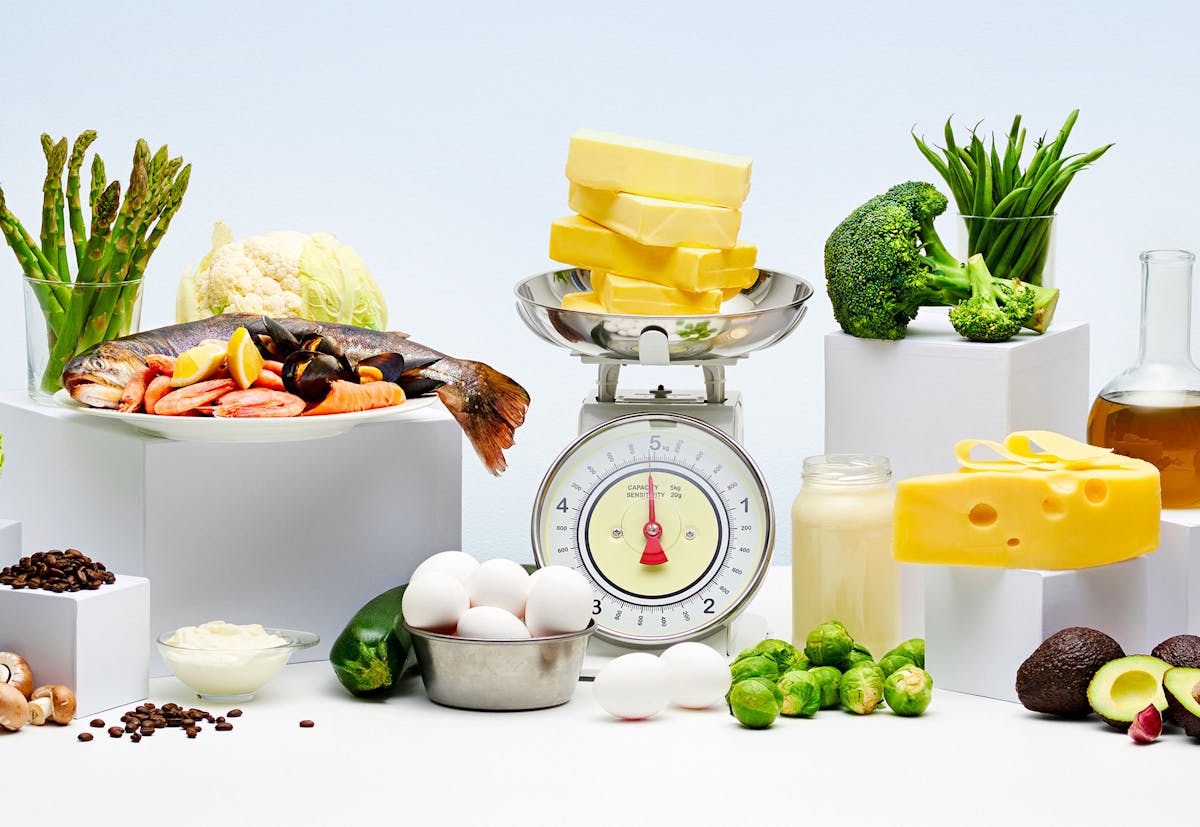
Eat: Meat, fish, eggs, vegetables, fruit, nuts, seeds, high-fat dairy, fats, healthy oils and maybe even some tubers and non-gluten grains.

Don't eat: Sugar, HFCS, wheat, seed oils, trans fats, "diet" and low-fat products and highly processed foods.

You should avoid these six food groups and nutrients, in order of importance:

  • Sugar: Soft drinks, fruit juices, agave, candy, ice cream and many other products that contain added sugar.
  • Refined grains: Wheat, rice, barley and rye, as well as bread, cereal and pasta.
  • Trans fats: Hydrogenated or partially hydrogenated oils.
  • Diet and low-fat products: Many dairy products, cereals or crackers are fat-reduced, but contain added sugar.
  • Highly processed foods: If it looks like it was made in a factory, don't eat it.
  • Starchy vegetables: It's best to limit starchy vegetables in your diet if you're following a very low-carb diet.

You must read ingredient lists even on foods labelled as health foods.

For more details, check out this article on 14 foods to avoid on a low-carb diet.

You should base your diet on these real, unprocessed, low-carb foods.

  • Meat: Beef, lamb, pork, chicken and others; grass-fed is best.
  • Fish: Salmon, trout, haddock and many others; wild-caught fish is best.
  • Eggs: Omega-3-enriched or pastured eggs are best.
  • Vegetables: Spinach, broccoli, cauliflower, carrots and many others.
  • Fruits: Apples, oranges, pears, blueberries, strawberries.
  • Nuts and seeds: Almonds, walnuts, sunflower seeds, etc.
  • High-fat dairy: Cheese, butter, heavy cream, yogurt.
  • Fats and oils: Coconut oil, butter, lard, olive oil and fish oil.

If you need to lose weight, be careful with cheese and nuts, as it's easy to overeat on them. Don't eat more than one piece of fruit per day.

Foods to Maybe Include

If you're healthy, active and don't need to lose weight, you can afford to eat a few more carbs.

  • Tubers: Potatoes, sweet potatoes and some others.
  • Unrefined grains: Brown rice, oats, quinoa and many others.
  • Legumes: Lentils, black beans, pinto beans, etc. (if you can tolerate them).

What's more, you can have the following in moderation, if you want:

  • Dark chocolate: Choose organic brands with at least 70% of cocoa.
  • Wine: Choose dry wines with no added sugar or carbs.

Dark chocolate is high in antioxidants and may provide health benefits if you eat it in moderation. However, be aware that both dark chocolate and alcohol will hinder your progress if you eat/drink too much.

Beverages

  • Coffee
  • Tea
  • Water
  • Sugar-free carbonated beverages, like sparkling water.

This is a sample menu for one week on a low-carb diet plan.

It provides less than 50 grams of total carbs per day. However, if you're healthy and active you can eat slightly more carbs.

Monday

  • Breakfast: Omelet with various vegetables, fried in butter or coconut oil.
  • Lunch: Grass-fed yogurt with blueberries and a handful of almonds.
  • Dinner: Bunless cheeseburger, served with vegetables and salsa sauce.

Tuesday

  • Breakfast: Bacon and eggs.
  • Lunch: Leftover burgers and veggies from the previous night.
  • Dinner: Salmon with butter and vegetables.

Wednesday

  • Breakfast: Eggs and vegetables, fried in butter or coconut oil.
  • Lunch: Shrimp salad with some olive oil.
  • Dinner: Grilled chicken with vegetables.

Thursday

  • Breakfast: Omelet with various vegetables, fried in butter or coconut oil.
  • Lunch: Smoothie with coconut milk, berries, almonds and protein powder.
  • Dinner: Steak and veggies.

Friday

  • Breakfast: Bacon and eggs.
  • Lunch: Chicken salad with some olive oil.
  • Dinner: Pork chops with vegetables.

Saturday

  • Breakfast: Omelet with various veggies.
  • Lunch: Grass-fed yogurt with berries, coconut flakes and a handful of walnuts.
  • Dinner: Meatballs with vegetables.

Sunday

  • Breakfast: Bacon and eggs.
  • Lunch: Smoothie with coconut milk, a dash of heavy cream, chocolate-flavored protein powder and berries.
  • Dinner: Grilled chicken wings with some raw spinach on the side.

Include plenty of low-carb vegetables in your diet. If your goal is to remain under 50 grams of carbs per day, there is room for plenty of veggies and one fruit per day.

If you want to see more examples of go-to meals, check out this article on 7 healthy low-carb meals in under 10 minutes.

Again, if you're healthy, lean and active, you can add some tubers like potatoes and sweet potatoes, as well as some healthy grains like oats.

Healthy, Low-Carb Snacks

There is no health reason to eat more than three meals per day, but if you get hungry between meals, here are some healthy, easy-to-prepare, low-carb snacks that can fill you up:

  • A piece of fruit
  • Full-fat yogurt
  • One or two hard-boiled eggs
  • Baby carrots
  • Leftovers from the previous night
  • A handful of nuts
  • Some cheese and meat

At most restaurants, it's fairly easy to make your meals low-carb friendly.

  1. Order a meat- or fish-based main dish.
  2. Drink plain water instead of sugary soda or fruit juice.
  3. Get extra vegetables instead of bread, potatoes or rice.

A good rule is to shop at the perimeter of the store, where the whole foods are more likely to be found.

Focusing on whole foods will make your diet a thousand times better than the standard Western diet.

Organic and grass-fed foods are also popular choices and often considered healthier, but they're typically more expensive.

Try to choose the least processed option that still fits into your price range.

  • Meat (beef, lamb, pork, chicken, bacon)
  • Fish (fatty fish like salmon is best)
  • Eggs (choose omega-3 enriched or pastured eggs if you can)
  • Butter
  • Coconut oil
  • Lard
  • Olive oil
  • Cheese
  • Heavy cream
  • Sour cream
  • Yogurt (full-fat, unsweetened)
  • Blueberries (fresh or frozen)
  • Nuts
  • Olives
  • Fresh vegetables (greens, peppers, onions, etc.)
  • Frozen vegetables (broccoli, carrots, various mixes)
  • Condiments (sea salt, pepper, garlic, mustard, etc.)

Clear your pantry of all unhealthy temptations if you can, such as chips, candy, ice cream, sodas, juices, breads, cereals and baking ingredients like refined flour and sugar.

Low-carb diets restrict carbs, such as those found in sugary and processed foods, pasta and bread. They're high in protein, fat and healthy vegetables.

Studies show that they can cause weight loss and improve health.

The above meal plan gives you the basics of healthy, low-carb eating.

If you need a comprehensive list of low-carb recipes that are both simple and delicious, check out this article on 101 healthy low-carb recipes that taste incredible.

Of course, you can also browse the Internet for even more low carb or paleo recipes.

Diet Low Carbs High Fat

Source: https://www.healthline.com/nutrition/low-carb-diet-meal-plan-and-menu

Share:

Atrial Fibrillation And Low Carb Diet

Atrial Fibrillation And Low Carb Diet

Atrial Fibrillation

I tried to ignore it, but I just can't anymore. The misinformation being publicly touted needs clarification.

Popular news articles are covering an observational study linking "low-carb" diets to atrial fibrillation, a potentially dangerous heart-rhythm disorder.

NBC News: Study: Low-carb diet could lead to AFib

EurekAlert: Low-carb diet tied to common heart rhythm disorder

For starters, this study is not published yet, and it hasn't even been presented at a scientific meeting. It looks like it will be presented next week at the American College of Cardiology's annual meeting. Scientific integrity, but apparently not journalistic integrity, dictates that one should not discuss the details of a study until it is published. The reasons for this are clear, one of which is that we may draw false conclusions without having the actual data available to review.

This study is a perfect example. The headlines state this study determined those who ate a "low carb" diet were at higher risk of developing atrial fibrillation. Once again, however, the definition of low carb was less than 40% of calories from carbohydrate. That's 200 grams on a 2,000-calorie diet. I have seen responses on social media such as, "I eat fewer carbs than that on my biggest cheat days!"

While 40% may be low carb by Standard American Diet (SAD) standards, it is a far cry from the less than 50 or even 20 grams of carbs to which most low-carb eaters adhere. There is a reason for the differentiation. At 40% carbs, our bodies are still burning carbs and glucose for fuel. So what happens to the fat? It gets stored. Or worse, it gets oxidized and stored. Either way, the combined high-carb and high-fat diet is the one that is most prone for health problems.

But the problems with the study don't stop there. This is the same poor quality of evidence that we point out time and time again. Observational trials can suggest an association, but do not prove causation. The food frequency questionnaires used to record participants' diets are notoriously inaccurate at capturing what people really eat, and they miss dietary changes that happen after the questionnaire was completed. Last, there are numerous potential confounding variables. Did people decrease their carb intake from very high to slightly high (from more than 60% to less than 40%) because they were obese and wanted to lose weight? Did they have diabetes or hypertension and wanted to improve them?

Obesity, sleep apnea, hypertension and diabetes are all risk factors for atrial fibrillation. It turns out that a low-carb diet (the real low carb diet, not the fake one in this study) improves obesity, sleep apnea, hypertension and diabetes. It's my guess that a higher-quality, better designed study would likely show that low-carb nutrition prevents atrial fibrillation. That's what I see in my practice, and that is how I am going to continue to use low-carb nutrition. When followed correctly, low-carb nutrition is as a powerful tool to improve health.

Thanks for reading,
Bret Scher, MD FACC

DD_ketofood_mobile_blue3

A ketogenic diet for beginners

Guide Here you'll learn how to eat a keto diet based on real foods. You'll find visual guides, recipes, meal plans and a simple 2-week get started program, all you need to succeed on keto.

Earlier

The bitter statin debate

High-fat diets raise blood pressure! (in rats)

Low-carb diets don't accelerate coronary calcification

Atrial Fibrillation And Low Carb Diet

Source: https://www.dietdoctor.com/inaccurate-news-stories-suggest-low-carb-causes-atrial-fibrillation

Share:

Is Coconut Good For Low Carb Diet

Is Coconut Good For Low Carb Diet

Keto Food List

FREE PRINTABLE: LOW CARB & KETO FOOD LIST

GET IT NOW

This post may contain affiliate links, which help keep this content free. (Full disclosure)

  • The Trick To The Best Coconut Flour Bread Recipe
  • Tips For How To Make Bread With Coconut Flour
  • How To Store Low Carb Coconut Flour Bread
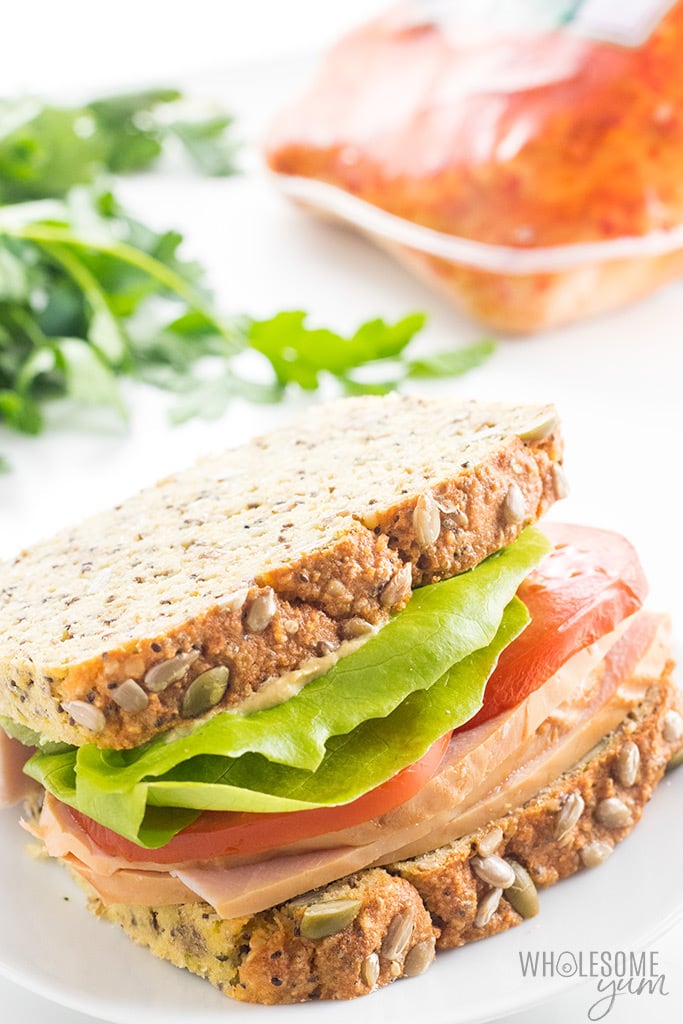
  • Sandwiches Using Keto Bread With Coconut Flour
  • Keto Low Carb Coconut Flour Bread Recipe

To celebrate September, I made keto paleo coconut flour bread! With everyone thinking about back-to-school right now, it's the perfect time for sandwiches… even if you're following a low carb lifestyle. Yes, really. You probably know there's no shortage of keto bread recipes here at Wholesome Yum. When I was craving a turkey sandwich recently, it was a great opportunity to create a new low carb coconut flour bread recipe.

People have been asking me about how to make coconut flour bread for a long time. Most low carb bread recipes have nuts, which is a problem for those with nut allergies. And, you can't just replace almond flour with coconut flour in a recipe.

Even for those of us without allergies, a nut-free paleo bread made with coconut flour is helpful if you have kids. Many schools don't allow nuts, meaning you can't send almond flour bread to school with them.

I wanted a trusted coconut flour bread recipe that I can use for my own kids' lunches, when they go to school in a couple years. Sure, I might be a little ahead on that (my oldest daughter is three), but I know many of you are facing that problem right now. So, I wanted to help you!

The Trick To The Best Coconut Flour Bread Recipe

What does coconut flour bread taste like? Let's be real here. Many coconut flour bread recipes are dense and dry.

Coconut flour can be a little challenging to work with, because it's so dense and absorbs so much moisture. And it's coconut-ty, which is delicious on its own, but not so much what you want in a simple sandwich bread.

That's why I spent a long time testing and perfecting this low carb coconut flour bread recipe. I wanted it to be actually good. In fact, it went through five trials to get it just right.

All of that being said, this bread is still denser than some other low carb options. If you like chewy bread with a lot of air pockets and a crust on top, try almond flour bread or even my improved version of 90-second bread. For a light and fluffy (but still low carb) white bread, try this keto paleo bread.

But if you are looking for coconut flour bread, and you're tired of the coconut flavor and off-putting texture that they usually have, this new coconut flour bread recipe is for you.

So what's the trick to coconut flour bread that tastes good? Make it with lots of seeds. This distracts from the coconut-ty taste and gives a yummy seed crunch. It reminds me of multi-grain bread with seeds that I used to love. I know you'll love it, too!

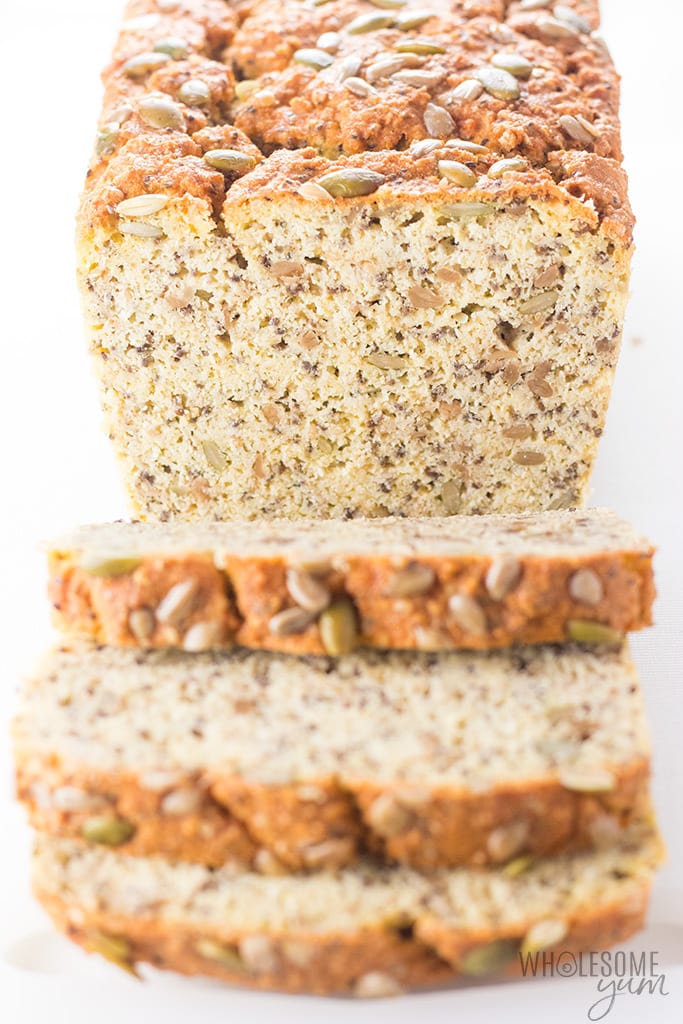
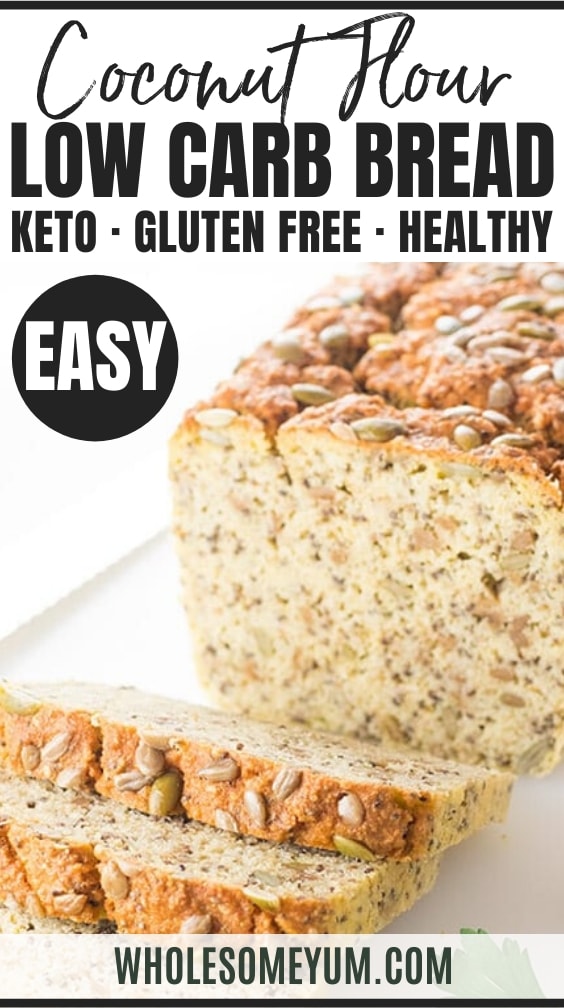
Keto Low Carb Coconut Flour Bread Recipe - A low carb coconut flour bread recipe packed with seeds, for a delicious multi-grain taste without nuts or grains! Keto paleo bread made with coconut flour is perfect for sandwiches.

Tips For How To Make Bread With Coconut Flour

You're going to get this paleo coconut flour bread recipe down pat – promise! – because I've got lots of tips to make it perfect…

Feel free to change up the seeds a bit.

I used lots of different types of seeds in my low carb coconut flour bread recipe. It creates a variety of textures, and I had them all on hand anyway. But if you don't, it's no problem!

If needed, you can swap out seeds you don't have with others that you do have. Just keep the sizes similar.

You'll need to replace small seeds like chia, sesame and hemp with more small ones just like those. And, you can replace pumpkin seeds with additional sunflower seeds, or vice versa.

However, don't use more large seeds than written, because the coconut flour bread will fall apart too easily.

Use butter for best flavor, or swap it out to make it dairy-free.

When you're making low carb coconut flour bread, one of the biggest obstacles is avoiding a strong coconut flour. So, adding coconut oil to the mix isn't the best idea as-is. This is why I used grass-fed butter instead.

However, if you are dairy-free or strict paleo, you'll need to replace the butter with something. The best option is ghee if you can tolerate that. If not, go for a vegan butter-flavored coconut oil like this one. It doesn't taste like coconut, unlike the regular kind.

Add xanthan gum for a chewier bread.

If you want to improve the texture of your keto bread with coconut flour, try adding a bit of xanthan gum. I left it out to make this more paleo-friendly and under 10 ingredients.

For those that are okay with adding xanthan gum, it does help with texture. The right amount is 1/2 tsp and you can add it to the dry ingredients.

Make sure the eggs at least triple in volume before adding them to the bread dough.

Another typical issue with most coconut flour bread recipes is that they are too dense. We counteract this by beating the eggs to triple their volume before adding them to the batter. And, remember to fold (don't beat or stir!) when you incorporate them into the other ingredients, so that you don't completely break them down.

Round the top of the coconut flour bread.

Bread made with coconut flour will not rise much. It's very different from traditional bread made with wheat.

Until someone figures out how to make coconut flour bread rise, the next best thing is to add volume to the batter (see beating eggs above!) and rounding the top before baking.

Wait for the batter to get thick.

Coconut flour absorbs a lot of moisture, but it takes some time for coconut flour bread batter to thicken.

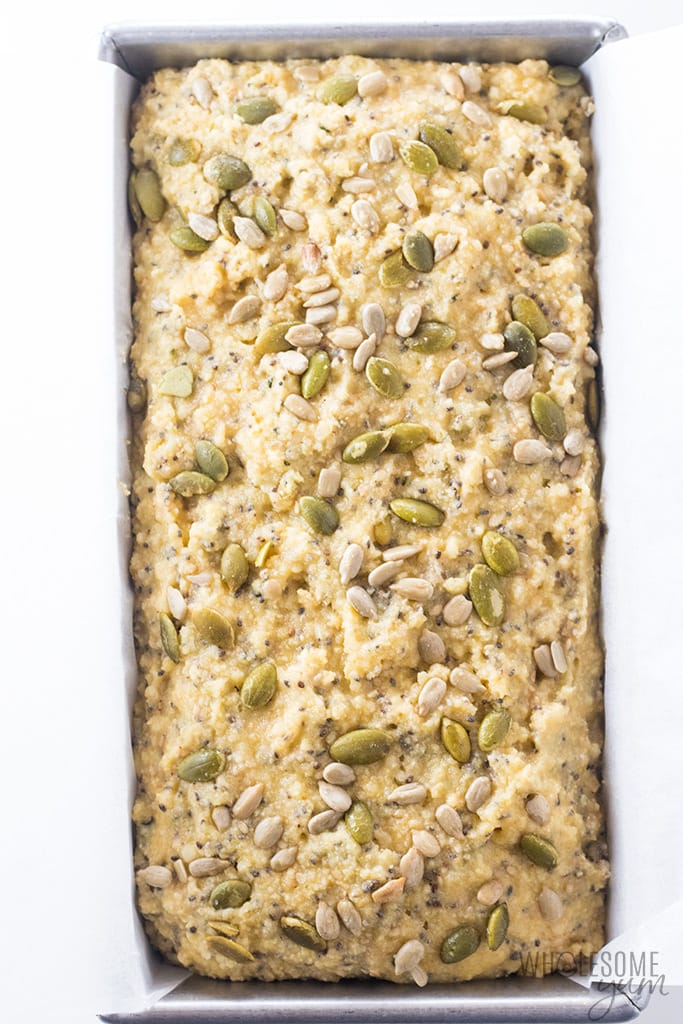
Here is how the bread looks before baking – notice the rounded top and and super thick batter:

Keto Low Carb Coconut Flour Bread Recipe - A low carb coconut flour bread recipe packed with seeds, for a delicious multi-grain taste without nuts or grains! Keto paleo bread made with coconut flour is perfect for sandwiches.

Test internal temperature for doneness.

With low carb bread recipes, sometimes it's hard to tell when they are done. If they contain ingredients to help with texture such as psyllium husk, flax seed meal, xanthan gum, or whipped egg whites, they can often pass the toothpick test but end up gummy inside.

This is why I prefer to have a secondary method of testing for doneness – internal temperature. For this particular paleo bread recipe with coconut flour, you know it's done when the internal temperature is 170 degrees F.

Cover during baking if needed.

Usually, coconut flour bread is browned on top before it's done inside. Simply tent it with foil and continue baking until done. The time when you need to cover can vary, but generally the total baking time stays close to the same.

Here is how browned the bread gets after baking:

image

Let the bread rest.

Like all low carb bread recipes, this coconut flour bread needs to rest after it comes out of the oven. This helps form its structure, so that it doesn't fall apart.

Tempting as it might be to cut it right away, don't! Wait for it to cool completely to room temperature – at least a few hours, or even overnight.

How To Store Low Carb Coconut Flour Bread

Low carb coconut flour bread will keep on the counter for a couple of days, but beyond that, the fridge is best. Wrap it in parchment paper, not plastic, to prevent condensation from forming.

This paleo bread recipe with coconut flour will keep refrigerated for 5-7 days. In case it gets a little moist, toasting the slices will solve the problem.

If you need to preserve bread made with coconut flour for longer, the freezer works great. It's best to slice the bread first, then freeze the slices. That way, you can pop them in the toaster straight from the freezer.

Keto Low Carb Coconut Flour Bread Recipe - A low carb coconut flour bread recipe packed with seeds, for a delicious multi-grain taste without nuts or grains! Keto paleo bread made with coconut flour is perfect for sandwiches.

Sandwiches Using Keto Bread With Coconut Flour

Now that you know how to make keto bread with coconut flour, the next question is, how are you going to use it?

Like I mentioned before, right now I'm loving coconut flour bread sandwiches. You can use this bread for a reuben, BLT, or just about any other sandwich you like.

If you have your own favorite ways to use this low carb coconut flour bread, I'd love to hear all about it!

Reader Favorite Recipes

The recipe card is below! Readers that made this also viewed these recipes:

Keto Bread Mix

Tap on the times in the instructions below to start a kitchen timer while you cook.

  1. Preheat the oven to 325 degrees F (163 degrees C). Line a small 8.5 x 4.5 in loaf pan with parchment paper, with the paper hanging off the long sides.

  2. In a large bowl, stir together the coconut flour, flax seed meal, all the seeds, baking powder, and sea salt.

  3. Stir the melted butter into the bowl until crumbly and uniform.

  4. In another large bowl, beat the eggs on high using a hand mixer (or stand mixer) with a whisk attachment, until tripled in volume. Fold the eggs into the batter. Wait a few minutes for the batter to thicken.

  5. Transfer the batter to the lined pan. Round the top with your hands. If desired, sprinkle more seeds on top (optional).

  6. Bake the bread for about 50 minutes, until browned on top. Tent the top with foil and continue baking for another 15 to 25 minutes, until the bread internal temperature is 170 degrees F (77 degrees C).

  7. Let the bread cool completely in the pan without moving or slicing. Once cooled, run a knife along any edges of the bread that touch the pan, then lift out of the pan using the parchment paper hanging over the sides.

Last Step: Leave A Rating!

Rate this recipe

Share your recipe picture by tagging @wholesomeyum and hashtag it #wholesomeyum on Instagram, or in our Facebook support group, too - I'd love to see it!

Serving size: 1 slice (1/2 in thick)

Video Showing How To Make Coconut Flour Bread:

Tap here to jump to the video for this recipe -- it's located directly above the ingredients list. It's the easiest way to learn how to make Coconut Flour Bread!

Nutrition Facts

Amount per serving. Serving size in recipe notes above.

Calories 232

Fat 18g

Protein 9g

Total Carbs 7g

Net Carbs 3g

Fiber 4g

Sugar 0g

Nutrition facts are provided as a courtesy. Have questions about calculations or why you got a different result? Please see our nutrition policy.

Want to save this recipe?

Create a free account to save your favourites recipes and articles!

Sign Up To Save Recipes

© Copyright Maya Krampf for Wholesome Yum. Please DO NOT SCREENSHOT OR COPY/PASTE recipes to social media or websites. We'd LOVE for you to share a link with photo instead. 🙂

Keto Low Carb Coconut Flour Bread Recipe - A low carb coconut flour bread recipe packed with seeds, for a delicious multi-grain taste without nuts or grains! Keto paleo bread made with coconut flour is perfect for sandwiches.

Is Coconut Good For Low Carb Diet

Source: https://www.wholesomeyum.com/keto-low-carb-coconut-flour-bread-recipe/

Share:

Blog Archive

banner