High Protein Low Carb Low Calorie Diet Plan

High Protein Low Carb Low Calorie Diet Plan

Photo Courtesy: alvarez/E+/Getty Images

In the United States, the average person consumes only about 10-15 grams of fiber per day. And that's not even half of the official recommendation. Along with protein, carbohydrates, and essential fats, fiber is an integral part of a healthy diet. So, what makes it essential?

Unlike other food components, fiber is indigestible. Although it is not absorbed by the body, fiber provides many health benefits, from maintaining bowel health to controlling blood sugar levels. With this in mind, developing a high-fiber diet plan is a great idea for folks with particular health needs. Here, we'll review which foods to eat and how to incorporate the right amount of fiber into your diet while avoiding the common pitfalls associated with high-fiber regimens.

As you may know, there are two types of dietary fiber — insoluble and soluble. The difference is simple: soluble fiber partially dissolves in water, while insoluble doesn't. While neither type of fiber is digestible, soluble fiber does undergo some changes as it travels through one's digestive tract.
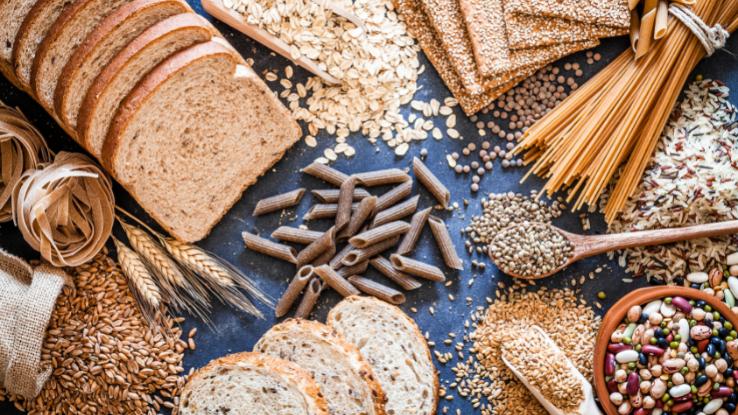
Photo Courtesy: fcafotodigital/E+/Getty Images

To make the most of a high-fiber diet, one should incorporate both types of fiber into their plan, namely because they provide different health benefits. For instance, diverticulitis is a common disease that causes the colon to develop small pouches, which become painful and inflamed. According to the Harvard School of Public Health, eating a diet high in insoluble fiber is believed to lower the risk of diverticulitis by about 40 percent.

Benefits of a High Fiber Diet

Most people have heard that fiber should be incorporated into their diet, but its benefits may still surprise many folks. For example, eating foods high in soluble fiber can help lower cholesterol levels and, as a result, the risk of experiencing heart disease.

Moreover, a diet high in both insoluble and soluble fiber is vital for people who have, or are at high risk of developing, diabetes. According to the Mayo Clinic, increasing soluble fiber in one's diet can help control blood sugar levels by slowing down the absorption of sugar. The chances of developing type 2 diabetes also decrease in people who eat a diet high in insoluble fiber.

Although most people will experience an occasional bout of constipation, elderly folks may encounter it more frequently, so a high-fiber diet may be beneficial as it can decrease the chances of constipation. Another benefit? A high-fiber diet may help with weight loss since eating fiber-rich foods can help dieters feel full faster and, therefore, eat less.

Tips for Crafting a Successful High-Fiber Diet

When creating a high fiber diet plan, several tips can help make the change easier and reduce the likelihood of common pitfalls. First, it is crucial to know how much dietary fiber to consume. According to the University of Maryland Medical Center, most adults should eat a minimum of 25 to 40 grams of fiber each day.

Selecting Good Sources of Fiber

First up: insoluble fiber. Great sources of insoluble fiber include various fruits, like apples and raspberries, as well as vegetables, like broccoli and carrots. When choosing your daily fruit and vegetables, keep in mind that the highest fiber content will be located in the skin and pulp of vegetables. Root vegetables and leafy greens — carrots, potatoes, kale and spinach — are all solid high-fiber choices.

So, what about soluble fiber? Foods made from whole grains, such as bread, pasta, and oats, are good choices when it comes to crafting a daily high-fiber diet plan, namely because wheat bran, which is part of the grain, has a very high fiber content. Other foods high in soluble fiber include barley and legumes, such as peas, lentils, and beans.

Another way to add more fiber to one's diet? Trade your morning glass of fruit juice for a piece of whole fruit — skin and all. You'll not only get more fiber, but you'll likely consume less calories.

Common Pitfalls Associated With High-Fiber Diets

Even when eating healthy, too much of a good thing can have negative consequences. Since fiber is not digested, overeating it — or eating too much of it quickly — can lead to bloating and gas. Some people may also develop diarrhea if they overeat fiber. To mitigate this side effect, fiber intake should be increased gradually over the course of six weeks. This will allow one's body time to adjust.

Another reason to increase your fiber intake slowly? A sudden increase in fiber may lead to stomach cramps and other intestinal discomforts. When making the gradual transition to a high-fiber diet, remember that even small dietary changes can add up. For instance, swap processed white bread for whole-grain loaves of bread made from oat or wheat bran.

Although it may decrease constipation in some people, increased fiber can also have the opposite effect and lead to constipation or irregular bowel movements. Therefore, it's important to drink plenty of water when one increases their fiber intake.

Resource Links:

  • "High Fiber Diet" via National Center for Biotechnology Information (NCBI), U.S. National Library of Medicine
  • "Diet and Health: Implications for Reducing Chronic Disease Risk" via Diet and Health, National Center for Biotechnology Information (NCBI), U.S. National Library of Medicine
  • "Health benefits and practical aspects of high-fiber diets" via The American Journal of Clinical Nutrition
  • "The Health Benefits of Dietary Fiber" via Nutrients, National Center for Biotechnology Information (NCBI), U.S. National Library of Medicine
  • "Dietary fibre in foods: a review" via J. Food Science Tech., National Center for Biotechnology Information (NCBI), U.S. National Library of Medicine

MORE FROM SYMPTOMFIND.COM

High Protein Low Carb Low Calorie Diet Plan

Source: https://www.symptomfind.com/health/high-fiber-diet-plan-tips?utm_content=params%3Ao%3D740013%26ad%3DdirN%26qo%3DserpIndex

Share:

Is A Low Carb Diet Better Than Keto

Is A Low Carb Diet Better Than Keto

8 Keto Lunch Ideas That Make a Low-Carb Diet Easier

Get ready for lunchtime with these yummy keto recipes.

It seems like the keto diet is all we hear about lately, and just about everyone is on it or has tried it (including celebrities). This eating plan involves filling your plate with lots of fats, moderate protein, and very little carbohydrates or sugar.It can be challenging to find keto-approved recipes on this diet, however, especially at lunchtime. I mean, how can you eat a sandwich without bread?

Although bread is off limits on keto, you can reach for plenty of other delicious ingredients, including deli meat, cheese, low-starch veggies, and healthy fats. Here, we've rounded up the best keto lunch ideas that use creative low-carb substitutes.

Chicken Club Lettuce Wrap Sandwich

keto-lunch-lettuce-wrap

Although bread is a no-no on the keto diet (sob!), lettuce wraps are here to satisfy your cravings.Combine all of your favorite sandwich fillers on a large piece of lettuce, roll it up, and you have a delicious wrap. This take on a chicken club lettuce wrap looks amazing. Get the recipe on skinnytaste.com.

Keto and Low Carb Caesar Salad

keto-lunch-cesar-salad

Caesar salad is a popular keto go-to, but hold the croutons.With this recipe, though, you can leave them in (sort of) thanks to a substitute made from pork rinds. Yum! Get the recipe on thenourishedcaveman.com.

Keto Taco Salad

keto-lunch-taco-salad

This keto taco salad is great for those who love to meal prep. The ground beef recipe is super easy to make on a Sunday night and portion out for the week ahead. Just add your favorite (keto-friendly) taco toppings and you're good to go. Get the recipe on meganseelinger.com.

Buffalo Chicken Celery Sticks

keto-lunch-buffalo-celary-sticks.jpg

You may remember "ants on a log" as one of your favorite childhood snacks (or your mom's sneaky way of getting you to eat celery), but this-old school recipe just got revamped and is keto-approved.Celery has a whole new look thanks to the buffalo chicken filling. Get the recipe on mantitlement.com.

Turkey Bacon Ranch Pinwheels

keto-lunch-pinwheels

Joy Filled Eats says that her turkey bacon ranch pinwheels have a lot of flavor and require only a little bit of effort. They make the perfect midday pick-me-up. Don't be afraid to stray from the recipe and add your favorite deli meat, cheese, and low-starch veggies.Get the recipe on joyfilledeats.com.

Mini Mushroom Keto Pizza

keto-lunch-mushroom-pizza

Did someone say pizza? These mini mushroom keto pizza bites are perfect for 'za lovers.Mushrooms make a great base for all your favorite pizza toppings and provide hearty bite. Thanks to I Eat Keto, our favorite treat can be diet-approved. Get the recipe on ieatketo.com.

Low Carb Big Mac Bites

keto-lunch-burger-bites

Bun-less burgers are allowed on the keto diet. With flavorful homemade Big Mac sauce, this recipe won't have you missing the bread.Get the recipe on homemadeinterest.com.

Tuna Stuffed Avocado

keto-lunch-stuffed-avocado

Since they're packed with healthy fats, avocados are a common keto ingredient, and we love that they can be utilized in the kitchen in so many ways. For example, half an avocado makes a great "bowl"for different foods, such as tuna salad. Get the recipe from downshiftology.com.

Is A Low Carb Diet Better Than Keto

Source: https://www.health.com/food/keto-lunch-ideas

Share:

Can You Eat Popcorn On A Low Carb Diet

Can You Eat Popcorn On A Low Carb Diet

Corn and keto don't work well together. Whether it is categorized as a grain or a starchy vegetable, you'll find corn in the "Do Not Eat" category of any keto diet food list. This is because each cup of corn is packed with over 35 grams of net carbs. That is enough to keep most of us from ketosis!

That said, there is a simple trick we can use to convert ketosis-disrupting corn into a satisfying keto-friendly serving of popcorn: Add heat.

If you are looking to indulge in this popular high-carb snack and stay on keto, we've included several tips, suggestions, and alternatives below.


What is Popcorn Exactly?

What is Popcorn Exactly?

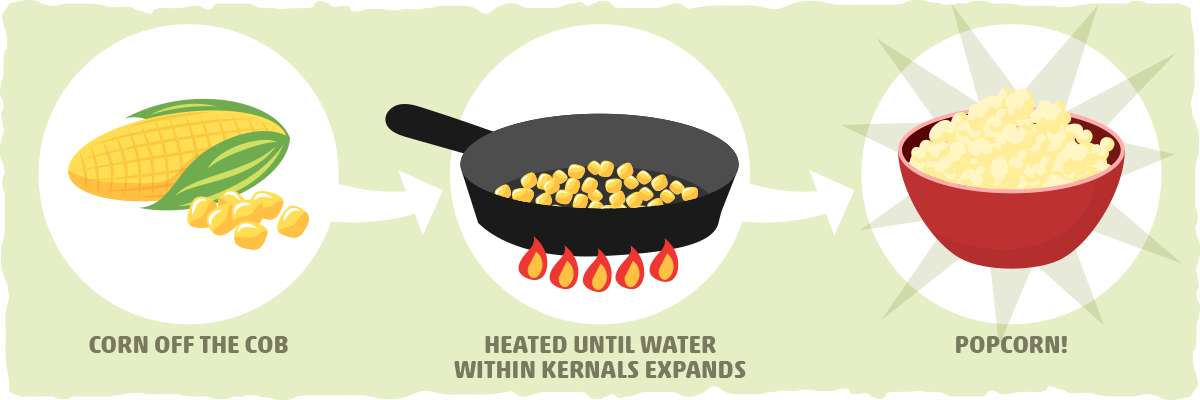
Popcorn kernels are simply dehydrated corn off the cob. They are then heated until the water that's left inside of them expands and the kernels explode open to around 40x their pre-popped size.

This delicious snack hack has been enjoyed for thousands of years.  In fact, the first evidence of popcorn consumption was found on the coast of Peru, dating back over 6,000 years ago.

Today, you'll find hundreds of popcorn products ranging from stovetop to microwavable, pre-popped pre-packaged to pure kernels, and a plethora of sweet, salty, and/or savory flavors. With all these choices, the world of popcorn can be overwhelming, especially on a low-carb keto diet.

This is why it is best to keep it as simple as possible with 100% unpopped kernels that you'll pop yourself and add your preferred keto-friendly ingredients to boost the flavor and fat content.

We must keep in mind, however, that even in its purest form, popcorn contains the same starches found in the fresh ear of corn. To fit popcorn into your low-carb or keto diet, it is crucial that consider the carb content in each cup.


Is Popcorn Low Carb and Keto? Nutrition and Carbs in Air-popped Popcorn

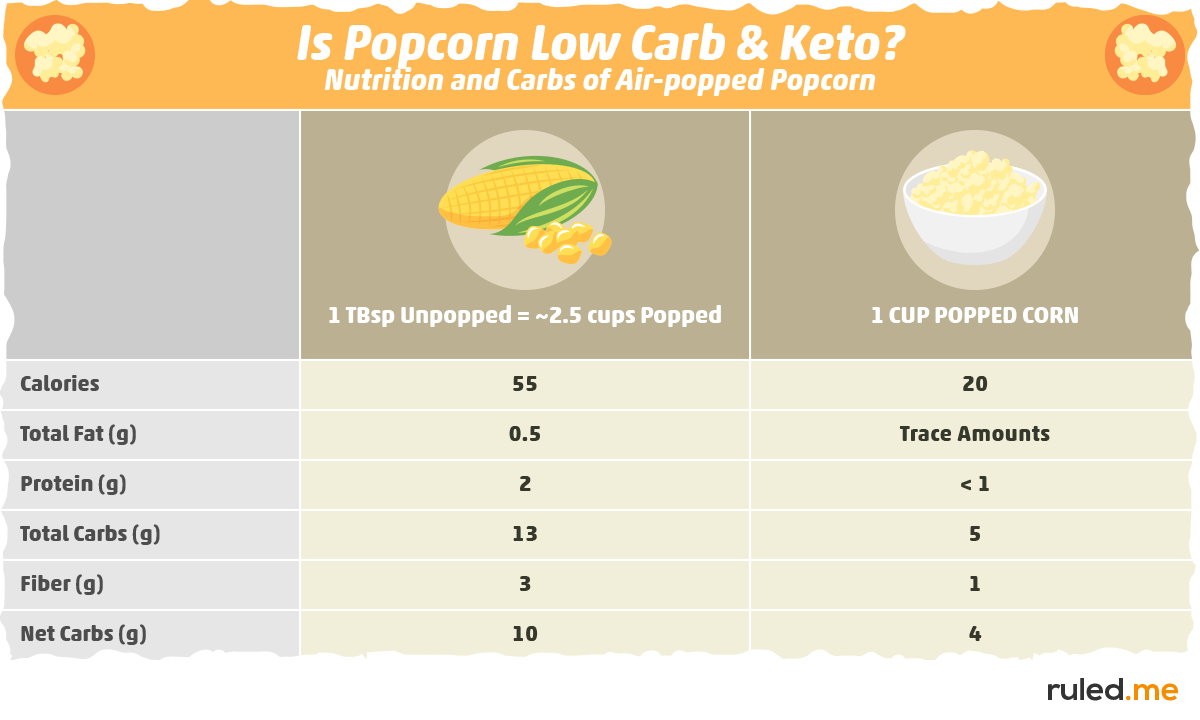
First, let's examine the overall nutrition provided by air-popped popcorn (without any other added ingredients).

Is Popcorn Low Carb and Keto

From a macronutrient ratio perspective, however, each cup of popcorn has 80% net carbs! This is far from keto-friendly, right? Furthermore, popcorn offers us a good source of vitamin B1 (thiamin), vitamin B3 (niacin), vitamin B6 (pyridoxine), antioxidants, and several key minerals.

Well, it depends. As long as you are mindful of the portion sizes and any additional ingredients, you can fit this high-carb food into your keto diet without disrupting ketosis.


Can You Eat Popcorn on Keto? Turning a Ketosis Disruptor into a Healthy Low Carb Snack

Can You Eat Popcorn on Keto

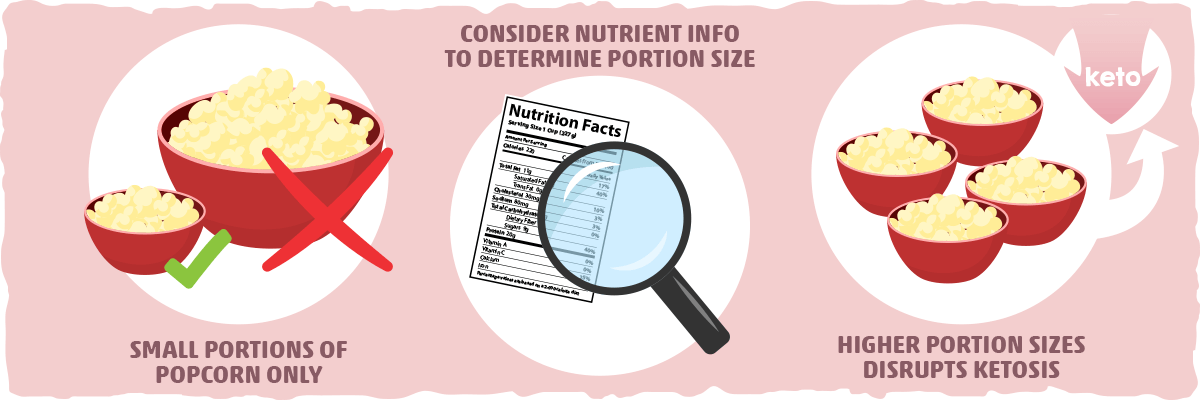
Though keto and low-carb dieting is much easier without the addition of high-carb foods, you can make an exception for small portions of popcorn.

By considering the nutrition info above (or the information on the popcorn label) and your daily net carb limit, you'll be able to determine the proper portion size for your diet.

As an example, let's say your daily net carb limit is 25 grams (which is a great starting point for most keto beginners). With this limit in mind, you can start planning your popcorn serving size. Two cups of popped popcorn would leave you with 17 g left from your other keto meals. As long as you limit your consumption of any other high-carb foods, this would be a reasonable serving for keto.

In contrast, as the portion size increases to 3 or 4 cups, you'll find it difficult to fit it into your daily carb limit without displacing healthier keto-friendly options. This is when a healthy low-carb snack becomes a ketosis-disrupting food.

In general, it's best to avoid foods like this, but if you absolutely can't give it up, you'll find some suggestions on how to fit popcorn into your keto diet.


How to Add Popcorn to Your Keto Diet Without Impairing Ketosis

Add Popcorn to Your Keto Diet Without Impairing Ketosis

As with potato chips, popcorn is surprisingly easy to overeat when we aren't mindful of our portions.

To help keep your portion sizes in check while feeling fully satisfied with each serving, consider adding keto fats (like butter) to your popcorn. The added fat and flavor will make each bite more fulfilling, so a cup or two is all you need to curb your carb cravings.

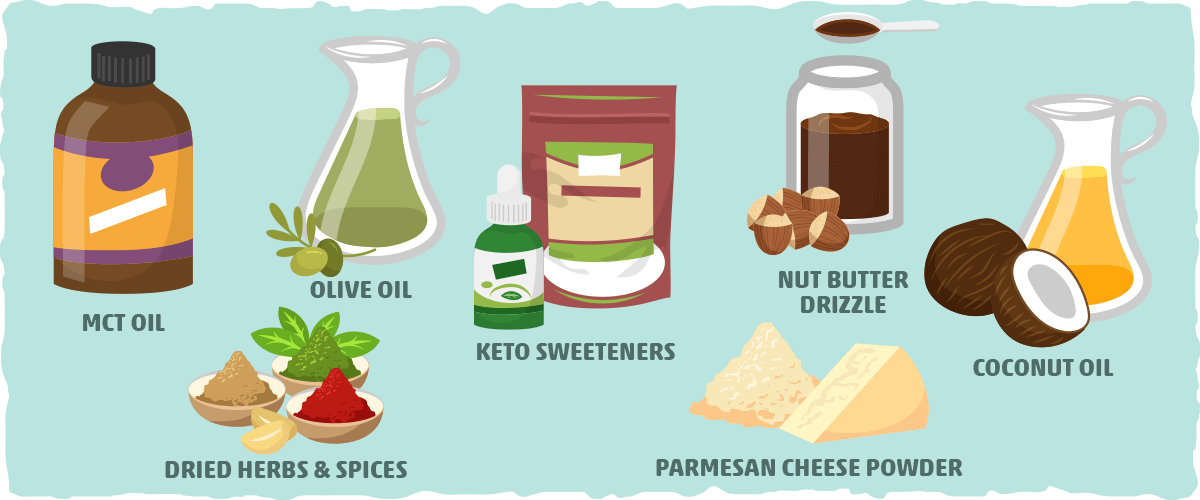
Other than butter, there are plenty of other keto-friendly popcorn toppings you can use to enhance the fat content and/or flavor:

  • Olive oil
  • Coconut oil
  • MCT oil — This flavorless oil can help provide an extra ketone boost as well.
  • Nut butter drizzle — Over low-to-medium heat, combine your favorite sugar-free nut butter with a keto-friendly sweetener. If it's too thick, add a small amount of coconut oil, butter, or MCT oil for easier drizzling. Homemade Macadamia Nut Butter, Keto Nutella, and natural peanut butter are some of the best options for this keto popcorn hack.
  • Keto sweeteners — Mix a keto-friendly sweetener with melted butter or oil and drizzle on top for a quick and easy keto kettle corn alternative.
  • Dried herbs and spices — Turn your popcorn into a savory, flavorful snack by tossing it with some of your preferred herbs and spices.
  • Parmesan cheese powder — Skip those cheese-flavored popcorn products in favor of some real cheese. However, before adding the parmesan, make sure to drizzle some butter or oil on top to help the powder stick to the popcorn. You can even mix in some garlic powder for a keto-friendly garlic parmesan popcorn flavor.

By using the high-fat options on the list (such as butter, oil, or nut butter), you can turn an 80% net carb food into a high-fat keto snack. In fact, just one tablespoon of butter or oil is all it takes to raise the fat content of 2 cups of popcorn above 70%.

That said, we must also consider the carb content of the remaining 30%. Occasionally, you'll find that you simply can't fit a cup or two of popcorn into your carb limit for the day.


Keto-friendly Popcorn Alternatives and Snacks

Keto-friendly Popcorn Alternatives

What do you do when even a measly handful of popcorn would take you above your daily carb limit? Opt for a very low carb popcorn alternative instead.

Below we've included the most popular keto-friendly options for when you need to keep the carbs as low as possible:

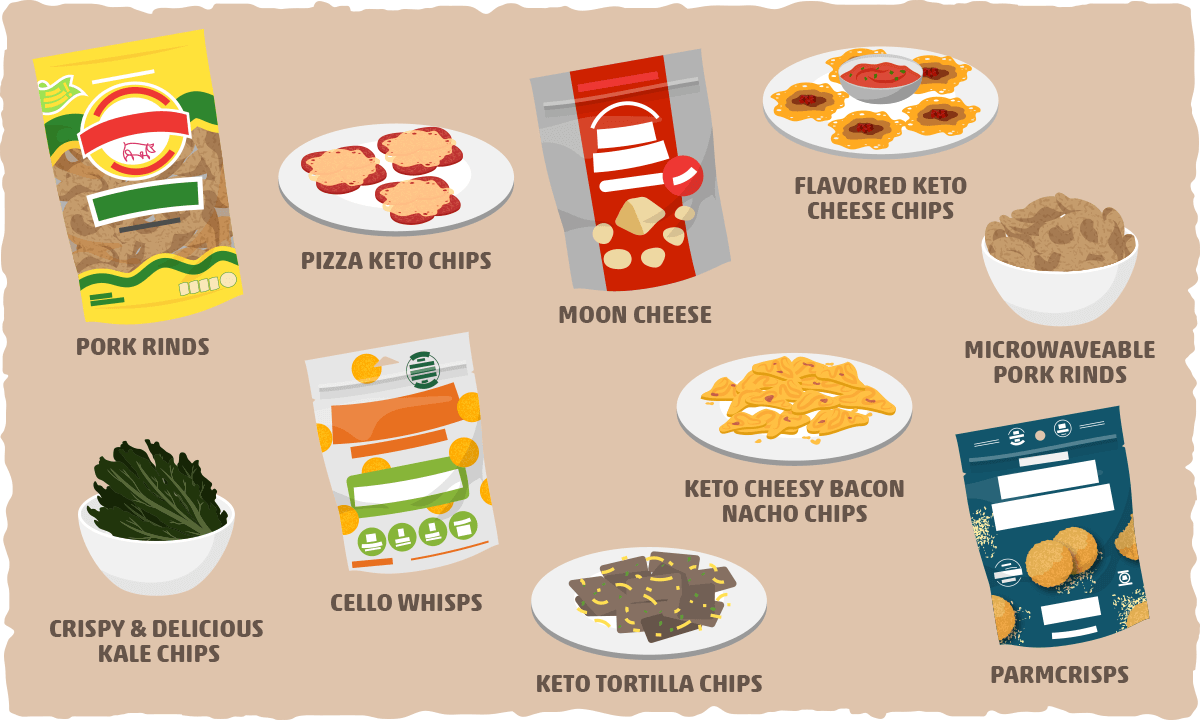
Store-bought Keto Popcorn Substitutes:

  • Cello Whisps — Each bag of whisps is like cheese-flavored popcorn without the popcorn. These cheese crisps come in nine different flavors containing between 1 and 3 g of net carbs per ounce serving.
  • Moon Cheese — Similar to Whisps, but with a popcorn-like shape and different flavors (including cheddar bacon and gouda). Each 1-oz. serving comes with 1 to 2 g of net carbs.
  • ParmCrisps — These are made from 100% aged parmesan cheese with a wide variety of flavors as well.
  • Microwaveable pork rinds — Skip the high-carb popcorn and grab some microwaveable pork rinds for your next movie night. With the extra crunch and flavor they provide, you may never crave popcorn again.
  • Pork rinds — This humble keto snack will give you the saltiness and crispness you'd get from popcorn, but with zero carbs. To learn more about what pork rinds to buy and their surprising health benefits, check out our guide to eating pork rinds on keto.

Homemade Keto-friendly Popcorn Alternatives:

  • Keto Tortilla Chips
  • Keto Chips
  • Pizza Chips with Pepperoni & Cheese
  • Keto Cheesy Bacon Nacho Chips
  • Crispy & Delicious Kale Chips
  • Flavored Keto Cheese Chips

Would you like to see more low-carb snack options? Check out our comprehensive list of healthy snacks for keto.


The Bigger Picture: Low Carb Popcorn and Your Keto Weight Loss Results

Popcorn can be a healthy addition to your keto diet, but only when it's eaten with your daily carb limit in mind.

You can even use popcorn as a way to add more fat, flavor, and nutrition to your day with the help of butter, high-quality oils, sugar-free nut butter, keto sweeteners, and seasonings.

That being said, there are plenty of low-carb popcorn alternatives that are much easier to fit into a keto diet. Pork rinds and cheese crisps, for example, have a much lower carb content than popcorn and are packed with high-quality fats and flavor.

However, if you are struggling to stay keto and get the results you want, then a popcorn substitute is unlikely to help. In this case, we must shift our focus to your overall meal plan and macronutrient needs.

To help you figure out what keto lifestyle changes to make, we've included several tools that'll get you on track toward achieving your health and weight loss results:

  • A Comprehensive Guide to the Ketogenic Diet — Keto made simple with a food list, recipes, tips, and tricks.
  • Our Keto Calculator — The easiest way to estimate your daily macronutrient needs.
  • Our Keto Meal Planning App — A personalized keto diet plan tailored to your goals and food preferences.

Can You Eat Popcorn On A Low Carb Diet

Source: https://www.ruled.me/keto-popcorn/

Share:

Nordic Naturals Vitamin D Drops

Nordic Naturals Vitamin D Drops

Photo Courtesy: Michael Godek/Getty Images

Are you getting enough sun? In many parts of the world, that might prove difficult during the winter months — and it can impact more than your sunny disposition.When exposed to sunshine, our bodies produce vitamin D, something our bodies need to maintain healthy bones and teeth; support our immune and cardiovascular systems; and stave off certain diseases, like type 1 diabetes. Some reports suggest that roughly three-quarters of American teens and adults might not be getting enough vitamin D. So, how can you turn that number around?

The National Institutes of Health (NIH) makes recommendations for what one's daily intake of vitamin D should be based on age, gender and other factors. The recommendations, in micrograms (mcg), can be summarized as follows:

Photo Courtesy: Sean Gladwell/Getty Images
  • Infants (up to 12 months): 10 mcg daily
  • Children (1 to 13 years): 15 mcg daily
  • Teens (14 to 18 years): 15 mcg daily
  • Adults (19 to 50 years): 15 mcg daily
  • Older adults (51 to 70 years): 15 mcg daily
  • Seniors (70+ years): 20 mcg daily

So, how can you supplement your vitamin D intake if all that basking in the sun isn't cutting it? Thanks to the Dietary Guidelines for Americans, we've rounded up 10 healthy foods that can help you reach those daily vitamin D goals.

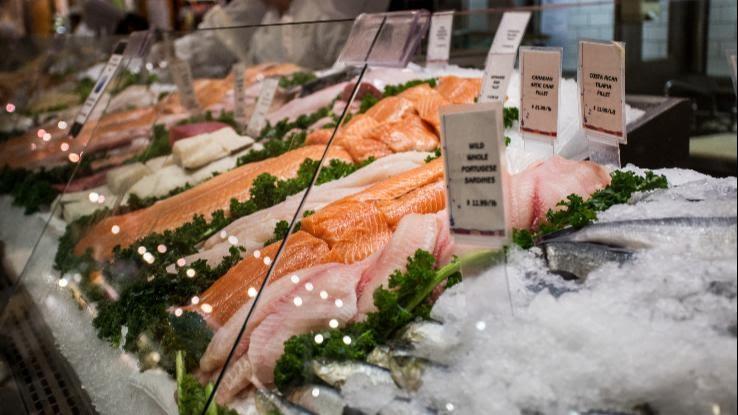
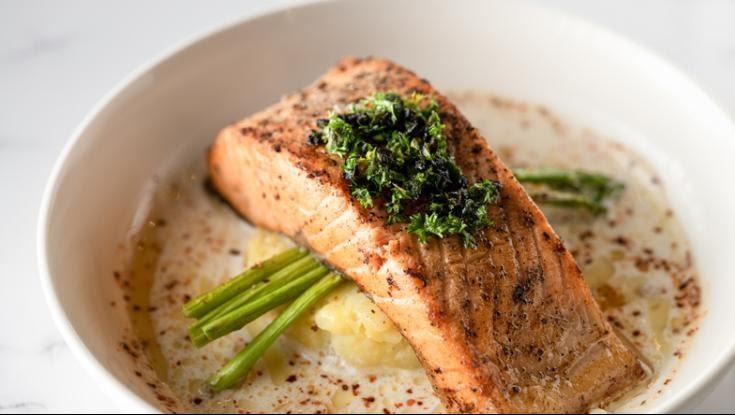
Salmon

Salmon comes in quite a few different varieties — canned sockeye salmon, smoked chinook salmon, canned pink salmon, cooked sockeye salmon, cooked pink salmon and even cooked wild coho salmon — and all of them are chock-full of vitamin D. All of these options will help you hit your goals. After all, a three-ounce serving of canned sockeye salmon contains 17.9 mcg of vitamin D, while a three-ounce portion of cooked sockeye salmon contains 11.1 mcg of vitamin D.

Photo Courtesy: Justin Ong/Getty Images

Smoked Whitefish

Want to change up that salmon intake? Whitefish can help with that. While whitefish are a species of fish, the term also refers to a cluster of types of fish, all of which have a mild, slightly sweet flavor. Some of the most popular "whitefish" include pollock, bass, cod, halibut, grouper and haddock. On average, a standard three-ounce serving of smoked whitefish contains an impressive 10.8 mcg of vitamin D.

Photo Courtesy: Bohemian Nomad Picturemakers/Getty Images

Swordfish

If you're looking for a terrific source of vitamin D, and to break up all that whitefish and salmon, try swordfish. These creatures can grow to be a whopping 1,400 pounds — and nearly 15-feet in length. While you wouldn't want to tangle with one of these in the ocean, encountering it as a nice, grilled steak is a treat. Best of all, a three-ounce portion will provide you with 14.1 mcg of vitamin D.

Photo Courtesy: Shawn Miller/Getty Images

Tilapia

Tilapia is a cluster of fish species that aren't found in nature. That is, tilapia is a farmed fish, which makes it pretty inexpensive. This mild species is the fourth most common type of seafood eaten by Americans, in part because of its versatility. We recommend a nice herb-and-parmesan crust, but, any way you slice it (or season it), a three-ounce portion will provide you with 3.1 mcg of vitamin D.

Photo Courtesy: Mike Kemp/Getty Images

Canned Tuna

Not into canned food? Well, canned fish should probably be your exception. In fact, canned tuna, in addition to being readily available and inexpensive, can make an abundance of tasty meals, from tuna salad and melts to casseroles. Best of all, a three-ounce serving of light tuna canned in oil contains about 5.7 mcg of vitamin D.

Photo Courtesy: LauriPatterson/Getty Images

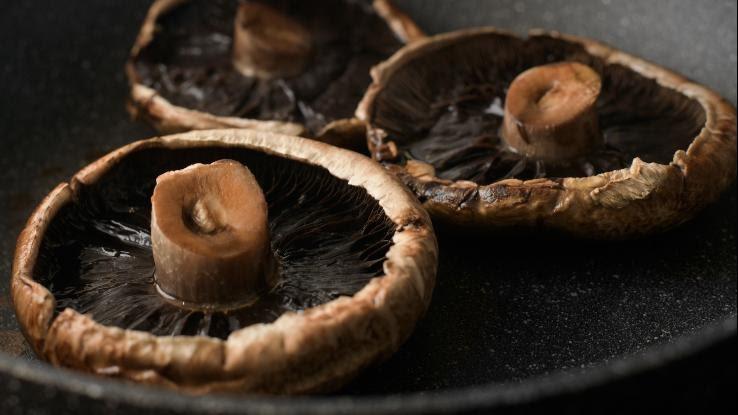
Mushrooms

The five fish options we've listed above might not have surprised you, but this one might. Many varieties of mushrooms — including portabella, cremini, morels, chanterelles, maitake, and even your basic white button mushrooms — are excellent sources of vitamin D. In fact, half a cup of grilled portabella mushrooms delivers an impressive 7.9 mcg of vitamin D.

Photo Courtesy: Robert Lowdon/Getty Images

Eggs

Eggs — and, in particular, egg yolks — are one of the easiest, cheapest and quickest ways to nab some vitamin D. However, they may not be the food of choice for folks with high cholesterol. If your diet allows, whip up two scrambled eggs and enjoy getting 5% of your recommended daily intake of vitamin D first thing in the morning.

Photo Courtesy: valentinrussanov/Getty Images

Milk

Milk is more than just a great source of calcium. In fact, vitamin D is among its significant nutritional benefits. When it comes to a 16-ounce serving of cow's milk, the vitamin D content varies based on the milk's composition. For example, whole milk contains 6.3 mcg of vitamin D, while 2%, 1% and skim milk all contain 5.9 mcg. Even soy and dehydrated (powdered) milk will help you reach your goals by providing 5.8 mcg and 3.4 mcg of vitamin D respectively.

Photo Courtesy: JW LTD/Getty Images

Yogurt

Milk is not the only dairy product capable of delivering some serious vitamin D benefits. Of course, the nutritional value of yogurt changes depending upon the variety. For example, Greek-style yogurt contains more protein and less sugar than other types of yogurt. Nonetheless, you can still expect anywhere from 2 to 3 mcg of vitamin D per eight-ounce serving, regardless of the variety of yogurt.

Photo Courtesy: Westend61/Getty Images

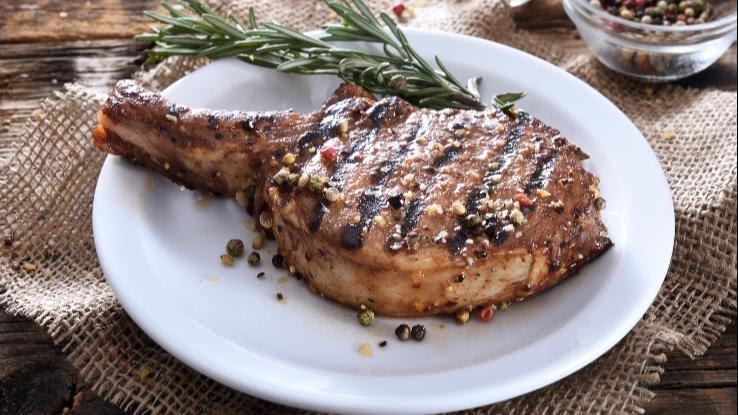
Pork

So far, you've seen lots of fish and dairy options. You might be wondering, Where's the meat? Well, generally speaking, beef and chicken are not great sources of vitamin D. In fact, if you're a meat lover in search of some vitamin D, pork is your best bet. The nutritional value of pork varies depending upon the cut, method of preparation and more, but you're likely to find between 0.2 to 2.2 mcg of vitamin D in a standard three-ounce serving of pork.

Photo Courtesy: EasyBuy4u/Getty Images

Resource Links:

  • The U.S. Department of Health and Human Services and Department of Agriculture's Dietary Guidelines for Americans
  • The National Institutes of Health (NIH)

MORE FROM SYMPTOMFIND.COM

Nordic Naturals Vitamin D Drops

Source: https://www.symptomfind.com/health/vitamind-foods?utm_content=params%3Ao%3D740013%26ad%3DdirN%26qo%3DserpIndex

Share:

Lyme Disease Vitamin D Deficiency

Lyme Disease Vitamin D Deficiency

Lyme disease can cause a multitude of health issues. Once the Borrelia bacteria enters the body, it can hide out in tissues, evading detection from the antibiotics meant to treat the infection. Chronic Lyme disease can be debilitating, and many people with the condition experience coinfections caused by immune suppression, inflammation, and vitamin deficiencies.

Vitamin D deficiency and Lyme disease often go hand in hand for a few reasons. One possible reason is that people with Lyme disease may be ill to the point where they aren't able to get outside as much, thus lowering their opportunity to gather vitamin D from the sun. But can Lyme disease cause low vitamin D? Let's investigate.

What does vitamin D do?

Vitamin D is often called the "sunshine vitamin" because one of the main ways it is absorbed is through sunlight. It can also be found in supplement form, as well as in foods such as fatty fish, fortified cereals, and cheese.

Its main role in the body is to aid in the regulation and absorption of other nutrients such as calcium and phosphate, both of which are vital in the proper formation and health of bones and teeth. Vitamin D has also been shown to help the body ward off conditions such as heart disease and multiple sclerosis, and it may reduce susceptibility to catching a seasonal flu or cold.

Other health conditions that can benefit from adequate levels of vitamin D include:

  • Depression and other mood disorders
  • Fibromyalgia
  • Obesity
  • High blood pressure
  • Diabetes
  • Autoimmune diseases
  • Some cancers

One of the most common ailments in people who suffer from chronic Lyme disease includes a weakened immune system. Since vitamin D is a crucial part of immune function, lowered levels could have a detrimental impact on those with Lyme.

Infectolab - fatigue
Image by Zohre Nemati on Unsplash : Is there a link between Lyme disease and vitamin D? Fatigue and a higher risk of infection can be caused by those with vitamin D deficiency, especially for Lyme patients.

How does vitamin D deficiency effect overall health?

Deficiency in any vitamin or nutrient can cause a myriad of health issues, but not having vitamin D is especially bad for overall health. In children with inadequate levels of the nutrient, rickets can occur. This condition involves weaking of the bones, and if left untreated will advance further, leading to bone deformities, growth issues, and spinal curvature. The adult version of rickets is known as osteomalacia, and causes the bones to become weak and easily breakable.

Other health issues that can arise in people who suffer from a vitamin D deficiency include:

  • Increased risk of heart disease
  • Cognitive impairment in older people
  • Asthma
  • Some cancers
  • Higher risk for frequent infections
  • General fatigue
  • Slowed healing of wounds
  • Alopecia

Even a subtle vitamin D deficiency can create health issues; however, it may be hard to pin down, due to the symptoms being so common.

Vitamin D3 and Lyme disease

For those who suffer from Lyme disease, getting enough vitamin D can be a challenge, even with supplementation, because of how depleted levels may become. Some studies suggest that it's difficult for the body of a Lyme disease patient to store a proper amount of vitamin D because the Borrelia bacteria can actually reduce the abilities of vitamin D receptors. It does this so that it can continue to thrive in the body.

Another vitamin that can become depleted in patients with Lyme disease is magnesium, and that can be detrimental for vitamin D levels because of how it's metabolized. For the body to use the vitamin D it gets, magnesium levels need to be adequate. This makes things even more difficult for Lyme disease patients who have both deficiencies.

Can a vitamin D deficiency exacerbate Lyme disease symptoms?

As mentioned, Lyme disease disables the immune function. Whether it does so in a mild or serious way depends on a case by case basis. Since vitamin D is an important part of overall immunity, having low levels can reduce a Lyme patient's ability to ward off infection. This leads to less absorption of vitamin D over the course of the disease, resulting in overall depleted levels that may continue to get worse if not addressed.

A vitamin D deficiency can also be hard to treat in Lyme patients because when the immune system isn't functioning as it should, nutrients are not being utilized as well, and all the processes in the body are essentially thrown off.

Infectolab - nuts
Image by Maksim Shutov on Unsplash: Lyme disease patients with vitamin D deficiency should also take magnesium, which can be found in many nuts.

Getting enough vitamin D if you suffer from Lyme disease

As previously mentioned, one of the best ways patients with Lyme disease to encourage the proper levels of vitamin D is to introduce higher levels of magnesium. Since one relies on the other to be synthesized, both magnesium and vitamin D are needed for optimal health.

Supplementation and a healthy diet could help increase levels of both, and when the nutrients in the body are back at their ideal levels, a patient has a better chance at recovering from Lyme disease alongside proper treatment.

Featured image by A.L. on Unsplash

Lyme Disease Vitamin D Deficiency

Source: https://lyme-time.com/2020/11/23/link-between-vitamin-d-deficiency-lyme-disease/

Share:

Kyani Vitamin D

Kyani Vitamin D

Photo Courtesy: Justin Paget/DigitalVision/Getty Images

Vitamin D is important for maintaining a healthy body, primarily because it helps you fully maximize your body's absorption and utilization of calcium, an important mineral that we all need. When paired with calcium, vitamin D helps regulate bone remodeling and growth, ensuring healthy, strong bones. Vitamin D can also help protect older adults from osteoporosis, which occurs due to excess bone loss from aging.

Furthermore, this nutrient boosts your immune system and reduces inflammation within your body, potentially warding off future medical conditions in the process. It also plays a vital role in cell growth, neuromuscular functions and protein encoding. Studies have shown that a regular, healthy vitamin D intake can also serve as an antidepressant and make people feel generally happier. But that's not all you'll want to know about vitamin D.

Vitamin D is naturally found in certain foods and now appears in many more foods that have been fortified with added nutrients. The best sources of naturally occurring vitamin D are oily fish such as salmon, tuna, cod, sardines and mackerel. Fish liver oils are another good source of vitamin D. Small amounts of the nutrient are present in beef liver, cheese, egg yolks and mushrooms.

Photo Courtesy: Alexander Spatari/Moment/Getty Images

Commonly, vitamin D-fortified foods include whole milk, orange juice, margarine and breakfast cereals. It's important to look at the label and nutrition facts to verify that vitamin D is in a particular food you're considering. Because dairy products are often fortified with vitamin D, lactose intolerant or vegan individuals should keep an eye on their diets to ensure they get enough of the vitamin.

Sun exposure is another method of naturally obtaining vitamin D, as our bodies can create their own vitamin D upon exposure to ultraviolet (UV) rays from the sun. However, it's difficult to gauge exactly how much sun exposure can generate sufficient vitamin D, as overexposure can be harmful, too. UV rays are also known to trigger free radicals, which can lead to skin cancer if left unchecked.

It's been suggested that getting approximately 15 minutes of sun exposure between 10 a.m. and 3 p.m. at least twice a week to your face, arms, legs or back will help your body synthesize enough vitamin D. It's important to note that you can't cover the exposed area of your body with sunscreen if you choose to get vitamin D naturally. The SPF blocks UV rays and can hinder your body's ability to create vitamin D. If you're in the shade or behind a window, the rays will not get through. If the climate where you live is primarily cloudy, it's important to get your recommended amount of vitamin D via other means.

Dietary supplements are also an excellent way of obtaining vitamin D. Supplements come in two forms: vitamin D3 (cholecalciferol), which is identical to the form your body makes when exposed to sunlight, and vitamin D2 (ergocalciferol), which differs slightly from D3 in its chemical side-chain structure. There's some evidence that vitamin D3 increases and maintains overall levels slightly better than vitamin D2.

Side Effects of a Vitamin D Deficiency

Vitamin D deficiency occurs when you don't adequately absorb the nutrient or when your kidneys can't convert the nutrient to its active form. This deficiency can result in medical conditions, two of which are called rickets and osteomalacia.

Photo Courtesy: RealPeopleGroup/E+/Getty Images

Rickets, a disease characterized by a failure of bone tissues to get enough minerals, can result in abnormal, soft bones and skeletal deformities. It's most common in children. Fortunately, it isn't permanent, and kids can consume as few as 1 to 3 teaspoons of cod liver oil a day to reverse the condition.

With the help of fortified foods today, rickets is almost obsolete in the United States. Osteomalacia, characterized by soft and weak bones, is usually present in adults. It's commonly treated with an intense regimen of vitamin D replacement under the care of a physician.

Vitamin D and Other Health Conditions

Vitamin D deficiency has been linked to cardiovascular disease, and people with lower levels of vitamin D appear to be at an increased risk of having a heart attack or stroke. However, the exact relationship isn't clear, and there appears to be no benefit to cardiovascular risk in taking a vitamin D supplement.

Photo Courtesy: PixelsEffect/E+/Getty Images

Research is also ongoing to find if there's a link between vitamin D and multiple sclerosis (MS). It appears that vitamin D deficiency is linked to the development of MS, and people with MS and higher levels of vitamin D appear to have reduced disease activity.

Low vitamin D has been linked to an increased risk of contracting respiratory illnesses such as influenza A. It appears that people with low vitamin D levels are at greater risk of severe novel coronavirus (COVID-19) infection. It's not clear yet if routine vitamin D supplementation would reduce this risk.

Because vitamin D is a fat-soluble substance, it can stay in your body for several days. Thus, vitamin D poisoning is possible if you supplement too much vitamin D over a period of a few months. Symptoms of vitamin D overdose include dehydration, vomiting, decreased appetite, irritability, constipation and fatigue. If left unaddressed, vitamin D poisoning can lead to anorexia, over-calcification of the bones and internal organs, kidney stones and hypertension (high blood pressure). It's important to note that vitamin D poisoning usually only occurs with excessive intake of dietary supplements. It's highly unlikely to occur as a result of normal dietary intake and sun exposure.

Daily Dosage Recommendations

The recommended dietary allowances for vitamin D vary depending on your age and other health and life circumstances, such as pregnancy. For infants under 12 months, the recommended intake is 400 international units (IU) or 10 micrograms (mcg). For individuals under 70 years old, the recommended intake is 600IU (15mcg). For individuals over 70 years old, the intake increases to 800IU (20mcg).

Photo Courtesy: katleho Seisa/E+/Getty Images

If you have a pre-existing medical condition or other medical concerns, it's best to talk to a healthcare professional about determining your recommended dietary allowance for vitamin D. This way, you can be sure the vitamin doesn't interact negatively with your condition or medication.

Resource Links:

https://medlineplus.gov/vitamind.html

https://ods.od.nih.gov/factsheets/VitaminD-Consumer/

https://www.hsph.harvard.edu/nutritionsource/vitamin-d/

https://medlineplus.gov/druginfo/meds/a620058.html

https://bestpractice.bmj.com/patient-leaflets/en-gb/pdf/3000049/Vitamin%20D%20deficiency.pdf

https://bestpractice.bmj.com/topics/en-gb/641

https://assets.publishing.service.gov.uk/government/uploads/system/uploads/attachment_data/file/537616/SACN_Vitamin_D_and_Health_report.pdf

https://www.covid19treatmentguidelines.nih.gov/adjunctive-therapy/vitamin-d/

MORE FROM SYMPTOMFIND.COM

Kyani Vitamin D

Source: https://www.symptomfind.com/health/vitamin-d-facts?utm_content=params%3Ao%3D740013%26ad%3DdirN%26qo%3DserpIndex
Share:

Iron Deficiency Anemia And Vitamin D Deficiency

Iron Deficiency Anemia And Vitamin D Deficiency

Continuing Education Activity

Iron deficiency anemia is the most common cause of anemia worldwide, which results in microcytic and hypochromic red cells on the peripheral smear. The patient often will have nonspecific complaints such as fatigue and dyspnea on exertion. Patients with iron deficiency anemia have been found to have a longer hospital stay, along with a higher number of adverse events. This activity reviews the causes and presentation of iron deficiency anemia and highlights the role of the interprofessional team in the management of these patients.

Objectives:

  • Identify the etiology of iron deficiency anemia.

  • Review the presentation of a patient with iron deficiency anemia.

  • Outline the treatment and management options available for iron deficiency anemia.

  • Summarize the importance of improving care coordination among interprofessional team members to improve outcomes for patients affected by iron deficiency anemia.

Access free multiple choice questions on this topic.

Introduction

Anemia is defined as hemoglobin below two standard deviations of the mean for the age and gender of the patient. Iron is an essential component of the hemoglobin molecule. The most common cause of anemia worldwide is iron deficiency, which results in microcytic and hypochromic red cells on the peripheral smear. Several causes of iron deficiency vary based on age, gender, and socioeconomic status. The patient often will have nonspecific complaints such as fatigue and dyspnea on exertion. Treatment is a reversal of the underlying condition as well as iron supplementation. Iron supplementation is most often oral, but certain cases may require intravenous iron. Patients with iron-deficient anemia have been found to have a longer hospital stay, along with a higher number of adverse events.[1][2][3]

Etiology

The cause of iron-deficiency anemia varies based on age, gender, and socioeconomic status. Iron deficiency may result from insufficient iron intake, decreased absorption, or blood loss. Iron-deficiency anemia is most often from blood loss, especially in older patients. It may also be seen with low dietary intake, increased systemic requirements for iron such as in pregnancy, and decreased iron absorption such as in celiac disease. In neonates, breastfeeding is protective against iron deficiency due to the higher bioavailability of iron in breast milk compared to cow's milk; iron deficiency anemia is the most common form of anemia in young children on cow's milk. In developing countries, a parasitic infestation is also a significant cause of iron-deficiency anemia. Dietary sources of iron are green vegetables, red meat, and iron-fortified milk formulas.[4][5][6]

Epidemiology

Approximately 25% of people worldwide have anemia. Iron deficiency, the most common cause, is responsible for 50% of all anemias. The rate of iron deficiency is higher in developing countries compared to the United States, where the prevalence of iron-deficiency anemia in men under 50 is 1%. In women of childbearing age in the United States, the rate is 10% due to losses from menstruation, while 9% of children ages 12 to 36 months are iron-deficient, and one-third of these children develop anemia. While the rate of iron-deficiency anemia is low in the United States, low-income families are particularly at risk.[7][1]

Pathophysiology

Iron is essential for the production of hemoglobin. The depletion of iron stores may result from blood loss, decreased intake, impaired absorption, or increased demand. Iron-deficiency anemia could arise from occult gastrointestinal bleeding. Adults older than 50 years of age with iron-deficiency anemia and gastrointestinal bleeding need to be evaluated for malignancy. However, gastrointestinal diagnostic evaluation fails to establish a cause in one-third of patients assessed. Iron deficiency will lead to microcytic hypochromic anemia on the peripheral blood smear. Because iron is the most common single-nutrient deficiency, the American Academy of Pediatrics recommends supplementation. When to begin supplementation and the needed dosage depends on the age and diet of the child.

Histopathology

The examination of a bone marrow sample stained for iron, such as Prussian blue stain, will reveal reduced amounts of iron in macrophages.

History and Physical

Most patients are asymptomatic and identified through a blood test. Pallor is the most important clinical sign, but it is not usually visible unless hemoglobin falls to 7 g/dL to 8 g/dL. A thorough history may reveal fatigue, a decreased ability to work, shortness of breath, or worsening congestive heart failure. Children may have cognitive impairment and developmental delays. Patients should be questioned regarding their diet as well as asked about any bleeding from menorrhagia or gastrointestinal sources. The physical exam may reveal pale skin and conjunctiva, resting tachycardia, congestive heart failure, and guaiac-positive stool.

Evaluation

Laboratory evaluation will identify anemia. The hemoglobin indices in iron deficiency will demonstrate a low mean corpuscular hemoglobin and mean corpuscular hemoglobin volume. Hematoscopy shows microcytosis, hypochromia, and anisocytosis, as reflected by a red cell distribution width higher than the reference range. Serum levels of ferritin, iron, and transferrin saturation will be decreased. Serum ferritin is a measure of the total body iron stores. The total iron-binding capacity will be increased. Stool for occult blood may reveal a gastrointestinal source of bleeding. A simple mean corpuscular hemoglobin/RBC index, or Mentzer index, can help differentiate between the two causes of microcytic/hypochromic anemia. These causes are iron deficiency and thalassemia minor. An index greater than 15 suggests iron deficiency, while an index less than 11 suggests thalassemia minor. The definitive test to rule out thalassemia minor is hemoglobin electrophoresis. Other tests like an iron profile are necessary for severe anemia or when anemia does not respond to iron therapy. Low ferritin is a reliable marker of iron deficiency. However, a ferritin level that is within the reference range or elevated is not very useful in patients with inflammatory conditions such as malignancies, infection, and collagen disease. This is because it is an acute-phase reactant. The standard for establishing iron deficiency is a bone marrow aspiration or biopsy followed by iron staining since it is unaffected by inflammation. However, the cost and invasiveness of this test make it less feasible; it is rarely performed for this reason.[8]

Treatment / Management

The treatment of iron-deficiency anemia includes treating the underlying cause, such as gastrointestinal bleeding and oral iron supplementation. Iron supplementation should be taken without food to increase absorption. Low gastric pH facilitates iron absorption. Rapid response to treatment is often seen in 14 days. It is manifested by the rise in hemoglobin levels. Iron supplementation is needed for at least three months to replenish tissue iron stores and should proceed for at least a month even after hemoglobin has returned to normal levels. Ferrous sulfate is an inexpensive and effective therapy, usually given in two to three divided doses daily. The adverse effects of oral iron include constipation, nausea, decreased appetite, and diarrhea. Intravenous iron may be required if the patient is intolerant to oral iron, has malabsorption such as celiac disease, post-gastrectomy, or achlorhydria, or the losses are too high for oral therapy. Although intravenous iron is more reliably and quickly distributed to the reticuloendothelial system than oral iron, it does not provide for a more rapid increase in hemoglobin levels.

The most common adverse effect of intravenous iron is nausea. While rare, anaphylaxis may occur with intravenous iron infusions. Extravasation of iron solutions into the subcutaneous tissue causes brownish stains that can be permanent and aesthetically unpleasant for the patient. Dietary counseling is usually necessary for management. Teenage girls who are experiencing excessive menstrual blood loss may benefit from iron and hormonal therapy.[3][9][10]

Differential Diagnosis

The differential diagnosis of iron deficiency anemia include:

  • Lead poisoning

  • Microcytic anemia

  • Anemia of chronic disease

  • Hemoglobin CC disease

  • Hemoglobin DD disease

  • Autoimmune hemolytic anemia

  • Hemoglobin S-beta thalassemia

Prognosis

The short-term prognosis for most patients is excellent. However, if the underlying cause is not corrected, the prognosis is poor.

Chronic iron deficiency can lead to death from an underlying lung or heart disorder.

Complications

The complications of iron deficiency anemia include:

  • Increased risk of infections

  • Heart conditions

  • Developmental delay in children

  • Pregnancy complications

  • Depression

Postoperative and Rehabilitation Care

Those with severe iron deficiency anemia should limit physical activity until the anemia has been corrected.

March hemoglobinuria can also lead to iron deficiency anemia and may require some modification in either shoe wear or physical activity.

Consultations

The following should be consulted in iron deficiency anemia:

  • Surgeon if there is a surgical gastrointestinal cause

  • Gastroenterologist for endoscopy and localization of the gastrointestinal tract bleeding

  • Radiologist if the bleeding is brisk and can be managed by embolization

Deterrence and Patient Education

Populations at high risk should be considered for prophylaxis with iron therapy. These groups include women with heavy menstrual cycles, frequent blood donors, adolescent girls, and people who eat strict vegetarian diets. Empirical iron supplements for everyone are not recommended as there is no evidence that this is beneficial but may be harmful.

Pearls and Other Issues

Patients often have nonspecific symptoms with anemia, and a careful history and physical examination are needed. In the pediatric population, routine screening starting at 9 to 12 months and annually after that has helped prevent the development of severe anemia. In the adult population, evaluating the gastrointestinal system as a potential cause of iron-deficient anemia can be a diagnostic challenge. The emerging role of less invasive testing for celiac disease, autoimmune atrophic gastritis, and Heliobacter pylori infections has improved disease recognition and diagnosis. While there is always the potential for relapse after iron supplementation, there is a lack of guidance regarding when to stop iron supplementation. An additional pitfall of iron deficiency anemia is worse outcomes with many medical conditions. Some of the adverse effects of patients with iron-deficient anemia are higher mortality, more extended hospital stays, and more cardiovascular events.

Enhancing Healthcare Team Outcomes

Although iron deficiency is one of the oldest and most common medical disorders, the condition still has not received adequate clinical attention and evaluation. Many children, elderly patients, and pregnant women continue to have undiagnosed iron deficiency anemia or remain under-treated. Evidence from an interprofessional panel of clinicians reveals that iron-deficiency anemia has a high prevalence in hospitalized patients. It is associated with worse outcomes, including more extended hospital stays and poor quality of life. There are also risks for those who receive blood transfusions. The panel has recommended several strategies in early diagnosis, treatment, and follow up of these patients.[11] The most critical recommendation is a prompt referral to a specialist; not all causes of iron deficiency anemia are merely due to a gastrointestinal bleed or heavy menstrual cycles. The primary care health care provider plays a vital role as he or she is almost always the first to note the presence of iron deficiency anemia. Others who are essential in detecting iron-deficiency anemia include the following:

  • Laboratory technologists determine serum ferritin, transferrin, vitamin levels, and function of the real system.

  • Hematologists determine the cause.

  • Pharmacists determine the best formula for iron and the presence of adverse effects. Replacement therapy is either with intravenous or oral formulas of iron, with red cell transfusions reserved for emergency situations. Each has its benefits and limitations.

  • Nurses ensure compliance with treatment and educate patients on symptoms and signs of the anemia.

  • Internists follow and monitor patients.

Guidelines

The United States Preventive Services Task Force has concluded that the evidence is not sufficient to assess the balance of benefits and harms of screening for iron deficiency anemia in pregnant women and children ages 6 to 24 months.[12][Level V]

Outcomes

Most studies on iron replacement therapies were done several decades ago. Many of these studies were not randomized, and the follow-up appointments were short. Reports of treatment of iron deficiency anemia are all based on expert opinion, but there is a clear benefit of treatment during the short term.[13][Level V] There remain significant gaps in how long the treatment should be done, as well as ethnic differences in response to iron and who is at risk for developing adverse reactions.

Review Questions

Pathology, Fungiform, Filiform and Filiform taste bud atrophy, thought to be due to a vitamin B or iron deficiency, taste bud morphology

Figure

Pathology, Fungiform, Filiform and Filiform taste bud atrophy, thought to be due to a vitamin B or iron deficiency, taste bud morphology. Contributed by The Centers for Disease Control and Prevention (CDC)

Reticulocytes, Anemia, IDA, Iron Deficiency Anemia, Hematopathology, Microcytosis, Hypochromia

Figure

Reticulocytes, Anemia, IDA, Iron Deficiency Anemia, Hematopathology, Microcytosis, Hypochromia. Contributed by Ed Uthman (CC by 2.0) https://creativecommons.org/licenses/by/2.0/

iron deficiency - spoon shaped nail

Figure

iron deficiency - spoon shaped nail. Image courtesy S Bhimji MD

Iron deficiency anemia

Figure

Iron deficiency anemia. Image courtesy S Bhimji MD

References

1.

Wawer AA, Jennings A, Fairweather-Tait SJ. Iron status in the elderly: A review of recent evidence. Mech Ageing Dev. 2018 Oct;175:55-73. [PubMed: 30040993]

2.

Wawer AA, Jennings A, Fairweather-Tait SJ. Iron status in the elderly: A review of recent evidence. Mech Ageing Dev. 2018 Oct;175:55-73. [PubMed: 30040993]

3.

Long B, Koyfman A. Emergency Medicine Evaluation and Management of Anemia. Emerg Med Clin North Am. 2018 Aug;36(3):609-630. [PubMed: 30037447]

4.

Long B, Koyfman A. Emergency Medicine Evaluation and Management of Anemia. Emerg Med Clin North Am. 2018 Aug;36(3):609-630. [PubMed: 30037447]

5.

Govindappagari S, Burwick RM. Treatment of Iron Deficiency Anemia in Pregnancy with Intravenous versus Oral Iron: Systematic Review and Meta-Analysis. Am J Perinatol. 2019 Mar;36(4):366-376. [PubMed: 30121943]

6.

Khan L. Anemia in Childhood. Pediatr Ann. 2018 Feb 01;47(2):e42-e47. [PubMed: 29446792]

7.

Brissot P, Bernard DG, Brissot E, Loréal O, Troadec MB. Rare anemias due to genetic iron metabolism defects. Mutat Res Rev Mutat Res. 2018 Jul - Sep;777:52-63. [PubMed: 30115430]

8.

Zohora F, Bidad K, Pourpak Z, Moin M. Biological and Immunological Aspects of Iron Deficiency Anemia in Cancer Development: A Narrative Review. Nutr Cancer. 2018 May-Jun;70(4):546-556. [PubMed: 29697284]

9.

Eichner ER. Anemia in Athletes, News on Iron Therapy, and Community Care During Marathons. Curr Sports Med Rep. 2018 Jan;17(1):2-3. [PubMed: 29315098]

10.

Mashlab S, Large P, Laing W, Ng O, D'Auria M, Thurston D, Thomson S, Acheson AG, Humes DJ, Banerjea A., Nottingham Colorectal Service. Anaemia as a risk stratification tool for symptomatic patients referred via the two-week wait pathway for colorectal cancer. Ann R Coll Surg Engl. 2018 May;100(5):350-356. [PMC free article: PMC5956597] [PubMed: 29543046]

11.

Desalegn Wolide A, Mossie A, Gedefaw L. Nutritional iron deficiency anemia: magnitude and its predictors among school age children, southwest Ethiopia: a community based cross-sectional study. PLoS One. 2014;9(12):e114059. [PMC free article: PMC4250059] [PubMed: 25438147]

12.

McClung JP. Iron, Zinc, and Physical Performance. Biol Trace Elem Res. 2019 Mar;188(1):135-139. [PubMed: 30112658]

13.

Shander A, Goodnough LT, Javidroozi M, Auerbach M, Carson J, Ershler WB, Ghiglione M, Glaspy J, Lew I. Iron deficiency anemia--bridging the knowledge and practice gap. Transfus Med Rev. 2014 Jul;28(3):156-66. [PubMed: 24931617]

14.

Mirza FG, Abdul-Kadir R, Breymann C, Fraser IS, Taher A. Impact and management of iron deficiency and iron deficiency anemia in women's health. Expert Rev Hematol. 2018 Sep;11(9):727-736. [PubMed: 30019973]

15.

Kemper AR, Fan T, Grossman DC, Phipps MG. Gaps in evidence regarding iron deficiency anemia in pregnant women and young children: summary of US Preventive Services Task Force recommendations. Am J Clin Nutr. 2017 Dec;106(Suppl 6):1555S-1558S. [PMC free article: PMC5701705] [PubMed: 29070541]

Iron Deficiency Anemia And Vitamin D Deficiency

Source: https://www.ncbi.nlm.nih.gov/books/NBK448065/

Share:

Blog Archive

banner